
How to Make Loose Leaf Tea: The Ultimate Guide
To make loose leaf tea, heat fresh water to the correct temperature for your tea type, measure roughly 1 teaspoon of leaves per 8-ounce cup, and steep them in an infuser or teapot for 2 to 5 minutes before straining. Brewing loose leaf tea is a simple, rewarding ritual that unlocks superior flavor, better health benefits, and a more sustainable cup than standard grocery store tea bags.
While transitioning from tea bags to loose leaves might seem intimidating with talk of specific temperatures and steeping times, it isn't an elite science. Anyone can master it with a few basic tools. This ultimate step-by-step guide demystifies the process and covers multiple kitchen-tested brewing methods so you can consistently brew the perfect cup every single time.
Loose Leaf vs. Tea Bags: The "Freshly Ground" Reality
To understand why loose leaf tea consistently outranks commercial tea bags in flavor and quality, you have to look at what is actually inside that paper pouch.
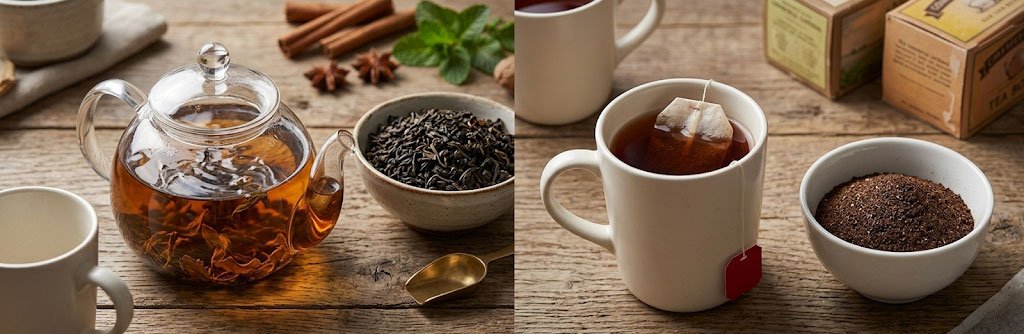
The Problem with Commercial Tea Bags
Mass-market tea bags are typically filled with "fannings" and "dust"—the tiny, broken fragments left at the bottom of sorting screens after premium whole leaves are harvested. Because this dust has a massive surface area, its flavorful essential oils evaporate quickly.
By the time it reaches your mug, the compounds that give tea its unique aroma and sweetness are gone, leaving behind bitter tannins that release instantly into hot water. This results in a flat, astringent cup that often requires milk or sugar to mask.
Beyond flavor, standard paper bags introduce hidden health concerns. Many use synthetic plastic glues or heat-resistant polypropylene fibers to keep the bags sealed. According to a landmark microplastics study published by the NIH, steeping a single plastic-containing tea bag at typical brewing temperatures can release billions of microplastics and nanoplastics directly into your drink. Others are treated with chlorine bleach to look crisp and white, adding unwanted chemicals to a natural beverage.
The Loose Leaf Difference
Loose leaf tea consists of intact whole leaves that act as natural capsules, locking in essential oils, amino acids, and antioxidants until they hit hot water.
The Kitchen Analogy: Using a standard tea bag is like using stale instant coffee or a processed bouillon cube. Brewing loose leaf tea is like using freshly roasted, artisan espresso beans or slow-simmering whole, fresh garden herbs.
As whole leaves steep, they absorb water and expand to three or four times their dry size. This graceful expansion allows the water to gently extract the leaf's full spectrum—yielding naturally sweet notes, subtle aromas, and a rich, smooth mouthfeel that dust bags simply cannot replicate.
Loose Leaf Tea from Shop Loose Tea
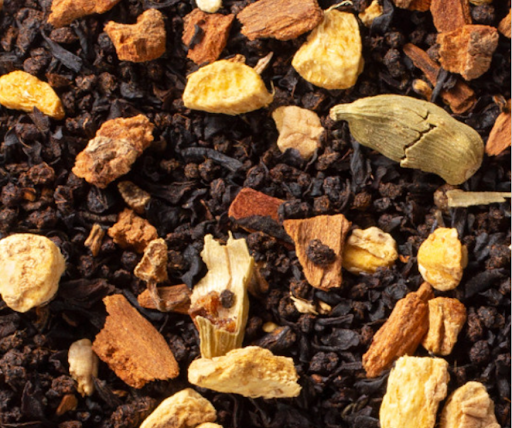
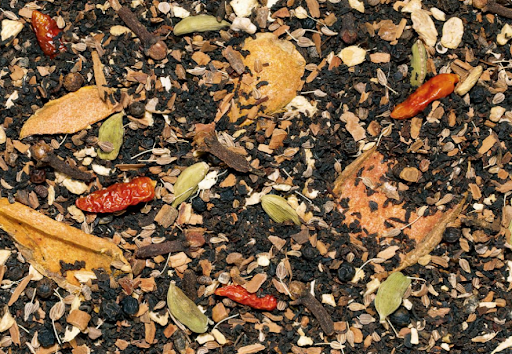
The Essential Loose Leaf Gear Checklist
You do not need to spend hundreds of dollars on specialized teaware to enjoy whole-leaf tea. In fact, you likely already have almost everything you need sitting in your kitchen cabinets right now. However, understanding how your tools affect the brewing process is key to avoiding common mistakes.
1. The Mug or Teapot (And the Pre-Warming Secret)
Whether you choose a favorite ceramic mug for a solo morning ritual or a classic glass teapot to share with guests, your vessel plays a crucial role in temperature stability.
One of the most common reasons a beginner's cup of tea tastes weak or underdeveloped is a failure to manage heat loss. Ceramic, porcelain, and glass are naturally cold materials. If you pour hot water directly into a cold mug, the vessel itself will instantly absorb the heat, dropping your water temperature by 10°F to 15°F before the leaves even have a chance to steep.
💡 Professional Pro-Tip
"Always pre-warm your vessel. Before adding your tea leaves, pour a splash of hot water into your mug or teapot, swirl it around for 10 seconds until the material feels warm to the touch, and discard the water. This simple step creates a thermal barrier, ensuring your brewing water stays at the exact target temperature throughout the entire steeping process."
2. The Infuser Basket vs. The Tiny Tea Ball
An infuser is the device that holds your loose leaves while allowing water to flow freely around them.
You have likely seen classic metal tea balls or whimsical silicone animal-shaped infusers in stores. While cute, you should strictly avoid small tea balls. Because they are incredibly cramped, they pack the dry leaves tightly together. When the leaves try to absorb water and expand, they hit the walls of the tiny ball, choking off the water flow. The center of the leaf mass remains dry and unextracted, leaving you with a weak, wasted brew.
Instead, invest in a wide, deep stainless steel mesh infuser basket that hangs directly over the rim of your mug. These baskets provide an expansive chamber, giving the leaves total freedom to completely stretch out, spin, and unfurl naturally. Alternatively, you can use DIY disposable paper filters—empty, unbleached paper pouches that you fill with loose tea yourself. These offer a great middle-ground for beginners, combining loose leaf flavor quality with the easy cleanup of a disposable bag.
3. The Kettle: Ditch the Microwave
To heat your water, an electric temperature-controlled kettle is the absolute gold standard because it allows you to select exact temperatures for delicate teas. If you do not have one, a standard stovetop kettle or a simple saucepan on the stove works perfectly fine.
However, there is one tool you must keep away from your tea water: the microwave.
While convenient, microwaves heat water unevenly, creating severe "hot spots" throughout the mug while leaving other areas cool. More importantly, microwaving water triggers rapid, localized boiling that violently drives out the dissolved oxygen gas trapped within the liquid. Tea leaves rely heavily on dissolved oxygen to help catalyze the release of their flavor compounds; brewing with microwave-heated water results in a flat, dead, and noticeably dull-tasting cup.
How Do You Make Tea with Loose Leaves?
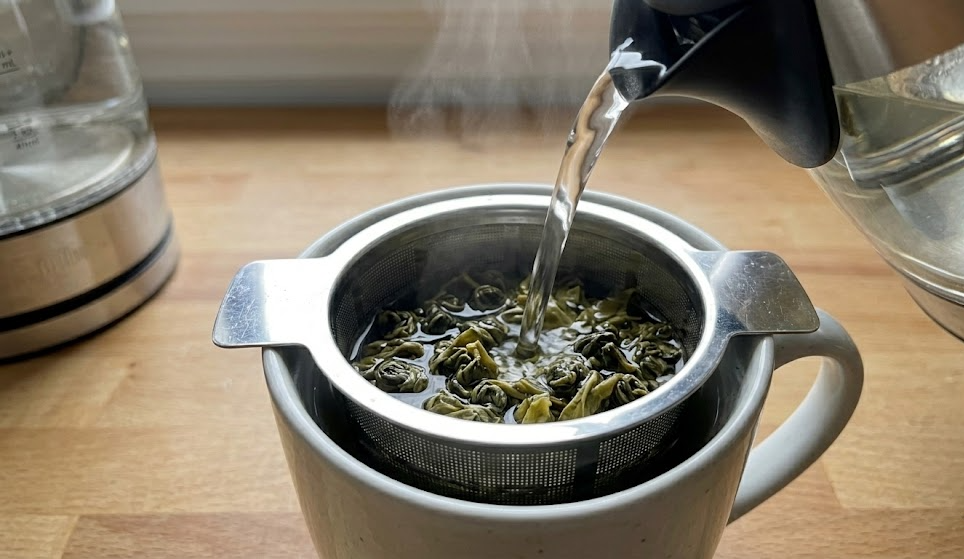
Because different kitchens have different tools, we have broken down the brewing process into three distinct, foolproof methods. Let’s look at the most common everyday setup first.
Method A: The Basket Infuser or Mug Method (The Daily Driver)
This is the easiest, cleanest, and most common way to prepare a single, perfect cup of loose leaf tea at home or at the office.
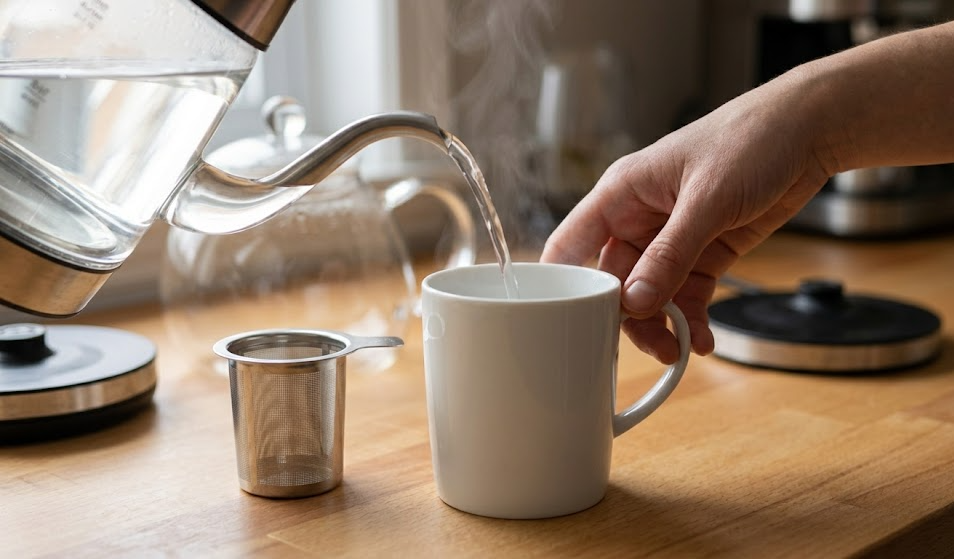
1. Prime Your Mug: Duration: 30 seconds.
Pour a small amount of hot water into your empty mug. Swirl it gently to heat up the ceramic or glass walls, then discard the water into the sink. Place your wide stainless steel mesh infuser basket directly into the newly warmed mug.
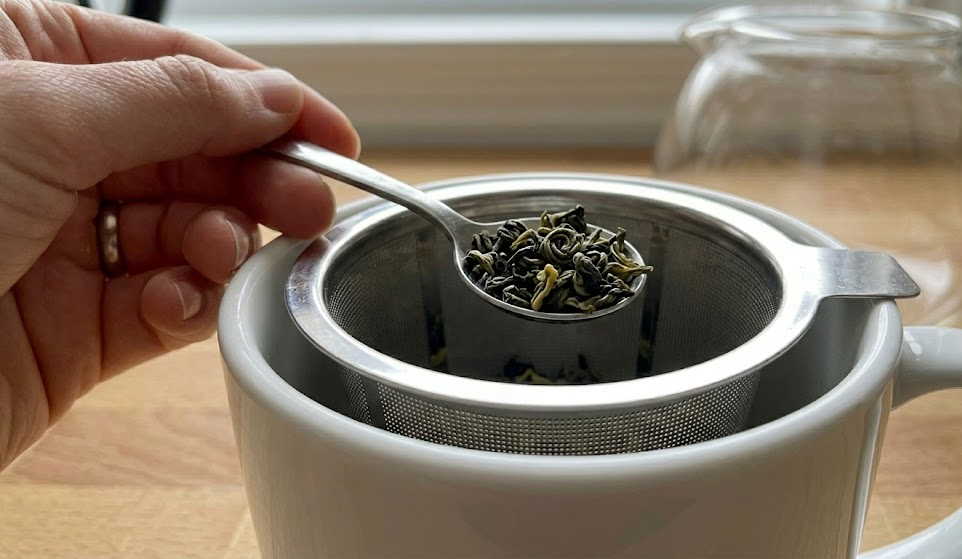
2. Measure Your Tea Leaves: The Golden Ratio.
Using a standard measuring spoon or a dedicated tea scoop, add your dry loose leaves directly into the bottom of the infuser basket. As a general starting rule, use 1 level teaspoon of tea leaves for every 8 ounces of water.
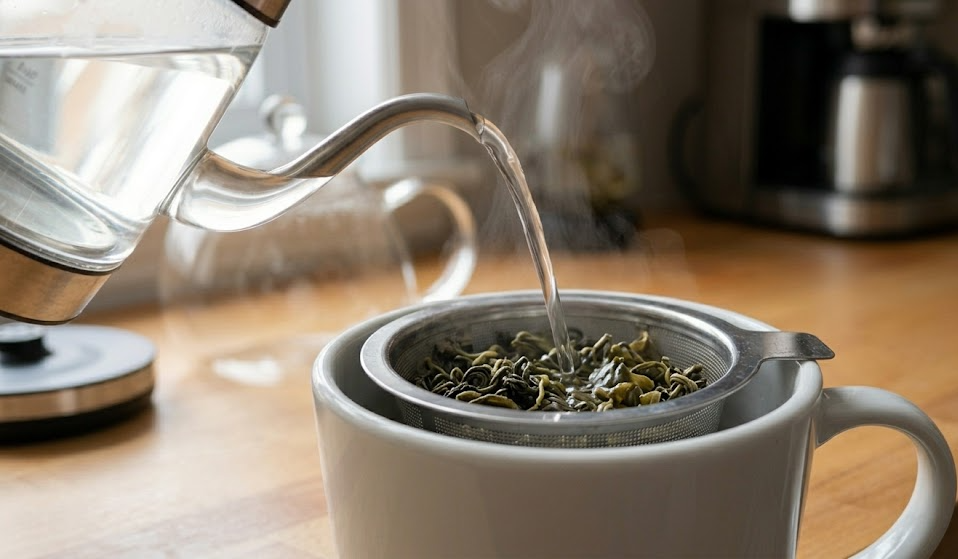
3. Execute the Saturating Pour: Coaxing out the flavor.
Bring your water to the precise target temperature required for your specific tea variety (refer to the Master Chart below). Slowly pour the hot water directly over the dry leaves inside the basket. This forcing action instantly drives water into the core of every leaf, ensuring complete and uniform saturation. Fill the mug until the water level submerges the leaves completely.
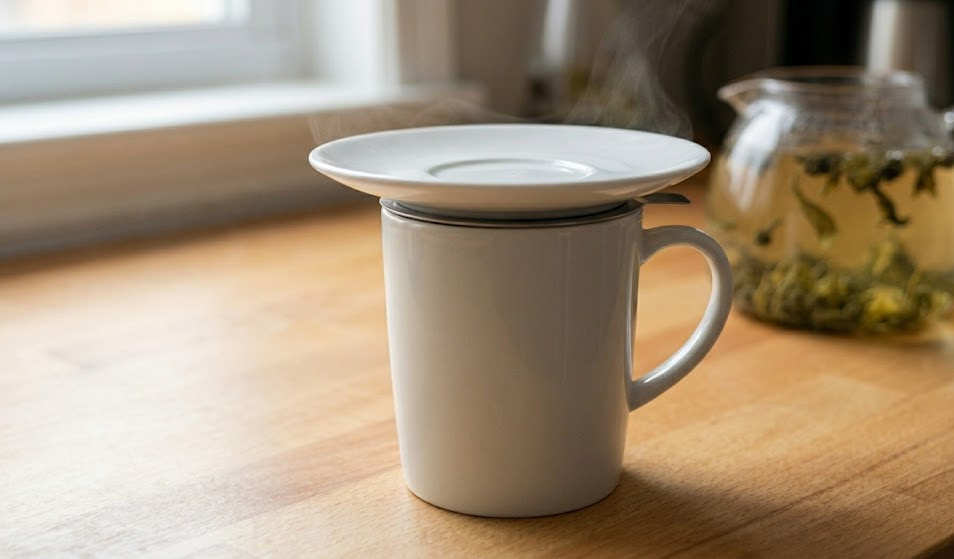
4. The Covered Steep: Locking in the aromatics.
Immediately place a small lid, a saucer, or a silicone coaster directly over the top of your mug. Whole tea leaves contain highly volatile aromatic essential oils that evaporate instantly into the air via steam. By capping the mug, you trap those valuable oils, forcing them to condense and drop back down into your liquid. Let it sit undisturbed; do not stir or shake the cup.
5. The Double Dunk & Pull: Circulating the essence.
When your digital timer rings, remove the lid. Grab the handles of the infuser basket, lift it slightly out of the water, and dunk it gently up and down two or three times. Because gravity pulls the densest, most flavorful tea liquor down to the very bottom of the mug, this brief dunking motion circulates the liquid, creating a perfectly uniform flavor profile throughout the entire cup. Pull the basket out completely, place it on a saucer to catch any drips, and enjoy.
Method B: The Classic Teapot Method (For Multitasking & Hosting)
If you are brewing multiple servings at once or want to prepare a larger batch of tea to keep on your desk, a dedicated glass or ceramic teapot is your best choice.
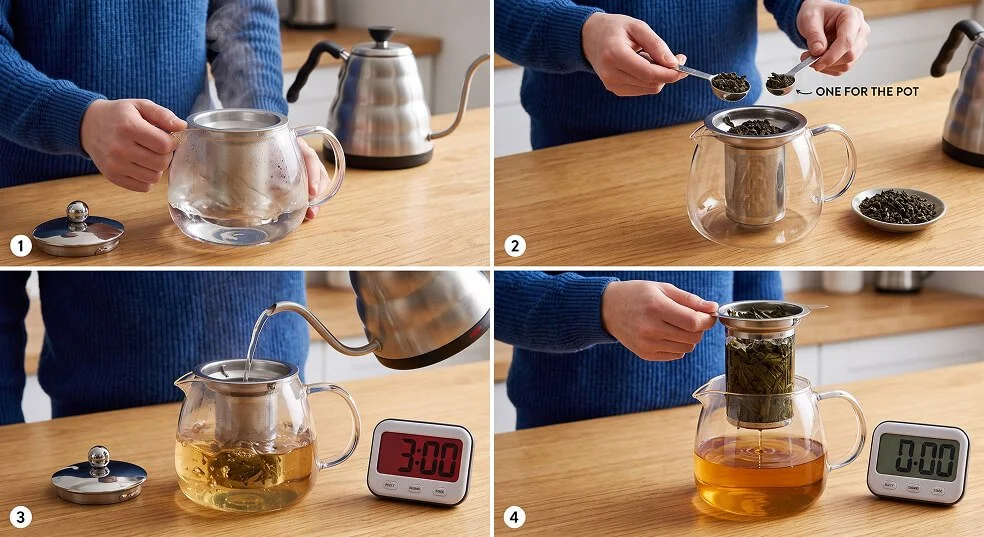
Step 1: Prime the Internal Walls
Just like Method A, begin by swirling hot water around the entire internal surface of your teapot. Let it sit for a moment until the exterior material feels physically warm, then dump the water out.
Step 2: Apply the "One for the Pot" Rule
When brewing in a teapot, calculating the water volume can get tricky. To ensure a perfectly balanced flavor profile, apply the time-tested tea room standard: measure 1 level teaspoon of loose leaves for every 8 ounces of planned cup volume, then add exactly one extra teaspoon "for the pot." This bonus teaspoon balances out the extra open airspace and water volume at the bottom of the teapot, preventing the batch from tasting weak.
Step 3: Pour, Seal, and Time
Pour your heated water directly over the leaves. Put the teapot lid on immediately to prevent heat and aromatics from escaping. Set a strict digital timer based on your specific tea type.
Step 4: The Crucial Decant
This is where many beginners ruin an otherwise perfect pot of tea. Once your timer rings, you must completely separate the liquid from the leaves. If your teapot has a built-in infuser basket, lift it out immediately. If your leaves are floating entirely free inside the pot, pour the entire batch through a hand strainer into your drinking mugs or a secondary serving pitcher.
The Over-Extraction Warning: Never leave liquid sitting on spent leaves inside a teapot. Even if you think the tea is done steeping, the leaves will continue to slowly release bitter tannins into the remaining water. By the time you reach for your second cup, the liquid will be intensely bitter, astringent, and virtually unpalatable.
Method C: The "No-Infuser" Kitchen Hacks
Do not let a lack of specialized hardware prevent you from buying high-quality loose leaf tea. If you find yourself stranded without an infuser basket or a teapot, you can easily bypass the gear using common items already sitting in your kitchen.
Hack 1: The Dual-Mug Strainer Trick
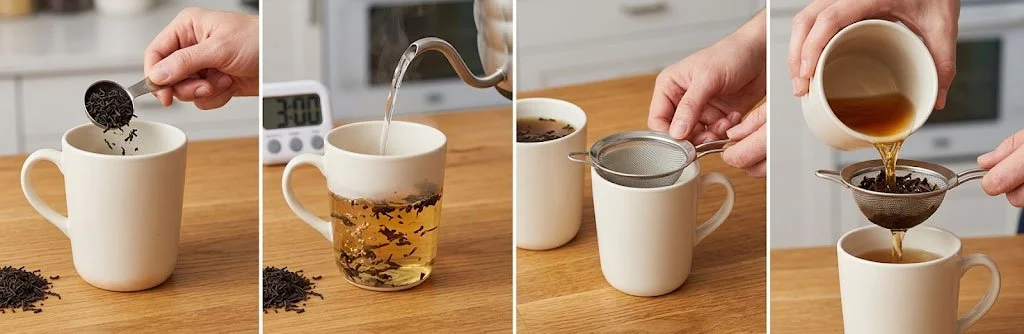
This is a historic, highly practical method commonly used across Asia.
Add your measured loose leaves directly to the bottom of an empty, pre-warmed Mug A.
Pour hot water straight onto the loose leaves and let them swim completely free as they steep.
When your timer goes off, place a standard fine-mesh kitchen strainer or a small stainless steel juice sieve over the rim of an empty Mug B.
Slowly pour the liquid from Mug A into Mug B. The strainer will effortlessly catch the expanded leaves, leaving you with an exceptionally clean, leaf-free cup of tea.
Hack 2: The French Press Secret
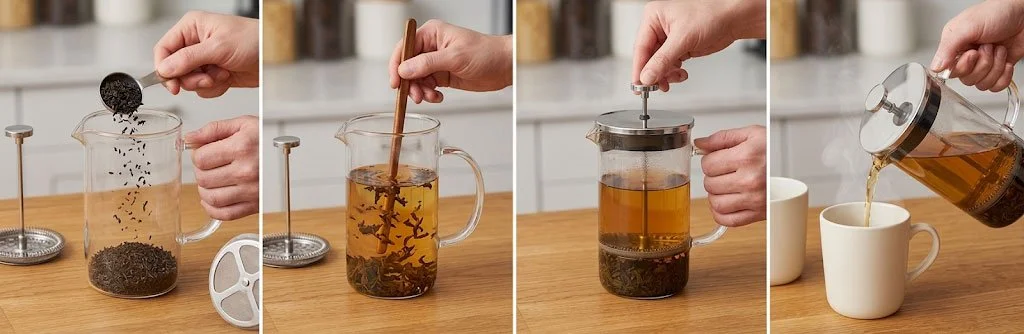
Your morning coffee press is secretly one of the absolute best vessels for brewing loose leaf tea because its expansive glass carafe gives whole leaves maximum room to spin and unfurl.
Toss your loose leaves directly into the bottom of a clean, empty French press.
Pour in your hot water, stir gently once to sink the leaves, and leave the mesh plunger completely raised at the top of the carafe.
Once steeped, slowly press the plunger down. The fine mesh screen will smoothly trap all the leaves, compressing them to the very bottom of the glass.
Important Warning: Pour the tea out into your mugs immediately. A French press does not stop the brewing process; the hot water remains in contact with the leaves at the bottom, so leaving the liquid in the carafe will cause rapid over-extraction and bitterness. Furthermore, ensure you never use the same French press for both coffee and tea unless it has been meticulously scrubed; coffee oils easily get trapped in the mesh screen and will make your delicate green or white tea taste like stale espresso grounds.
The Master Loose Leaf Brewing Chart
Water temperature and steeping time are the two ultimate variables that dictate whether your tea will taste sweet and complex or bitter and burnt.
To help you brew without a digital thermometer or a variable-temperature kettle, use the "Visual Bubble Cues" column below. This ancient Chinese method relies on watching the physical shape of the steam and the size of the water bubbles forming at the bottom of a pot or stovetop kettle to judge the exact temperature.
| Tea Type | Target Water Temp | Visual Water Cue (No Thermometer) | Leaf Amount (Per 8 oz) | Steep Time | Primary Health Benefit | Best Paired With |
|---|---|---|---|---|---|---|
| White | 175°F (80°C) | Tiny pinhead bubbles; very gentle steam | 2 teaspoons (fluffy leaves) | 2–3 mins | Cellular repair & skin health | Drink plain |
| Green | 175°F–185°F (80°C–85°C) | "Crab-eye" bubbles; steam rising briskly | 1 level teaspoon | 1–2 mins | Metabolism boost & calm focus | Honey or lemon |
| Purple | 175°F–180°F (80°C) | Steam rising briskly | 1 heaping teaspoon | 3 mins | High anthocyanin antioxidants | Drink plain |
| Oolong | 195°F–205°F (90°C–96°C) | Medium "fish-eye" bubbles breaking | 1 heaping teaspoon | 3–4 mins | Heart health & weight management | Resteeps 3x+ |
| Black | 212°F (100°C) | Aggressive, full rolling boil | 1 level teaspoon | 3–5 mins | Focus, alertness, & gut health | Milk and sugar |
| Pu-Erh | 212°F (100°C) | Aggressive, full rolling boil | 1 heaping teaspoon | 3–5 mins | Advanced digestion & gut biome | Great digestif |
| Yerba Mate | 150°F–160°F (65°C–71°C) | Soft, faint wisps of steam | 1 level teaspoon | 3–5 mins | Sustainable, clean physical energy | Raw sugar |
| Herbal/Rooibos | 212°F (100°C) | Aggressive, full rolling boil | 1 heaping teaspoon | 5–7 mins | Sleep support & inflammation relief | Sleepytime treat |
When selecting a variety from the chart, it is worth noting that the individual processing steps do more than change the flavor profile—they fundamentally restructure the antioxidants available to your body. Clinical data compiled in the WebMD Oolong Tea health breakdown shows that semi-oxidized teas stimulate fat burning and can increase metabolic energy expenditure by up to 3.4%. These properties are deeply linked to the strict temperature targets shown above; missing your temperature window can inadvertently destroy these delicate, health-boosting compounds before they reach your mug.
A Crucial Note on Volume vs. Weight
You will notice that the master chart calls for 2 teaspoons of White tea or a heaping teaspoon of Herbal tea, but only 1 level teaspoon of Black or Green tea. This is because high-quality loose leaf teas vary drastically in density and physical structure.
Delicate white teas (like Silver Needle or White Peony) and dried herbal botanicals (like Chamomile flowers) are incredibly large, fluffy, and lightweight. A flat, level teaspoon contains almost no actual tea weight. Conversely, rolled oolongs and tightly processed black teas are incredibly dense and heavy. Always look at the physical "fluffiness" of your leaves; if they are massive and airy, use a generous, heaping scoop to ensure enough actual leaf mass enters the water.
🍵 Expert Tasting Note
"In professional cupping rooms from Darjeeling to Shizuoka, tea is evaluated strictly by weight rather than volume, using the international standard of 2 grams of leaf per 100 ml of water (roughly 5 to 6 grams for a standard 8 oz mug). If you don't use a digital pocket scale, remember to adjust for leaf density: tightly rolled oolongs or dense black pearls pack tightly, requiring a scant, level teaspoon, while fluffy, volumetric white teas or whole chamomile flowers require two heaping teaspoons to achieve the exact same structural mass and flavor balance."
Advanced Secrets for Getting More from Your Leaves
Once you understand the basic mechanics of brewing whole tea leaves, you can begin using advanced methods to extract deeper flavor profiles and maximize the longevity of your tea collection.
The Mathematics of Resteeping
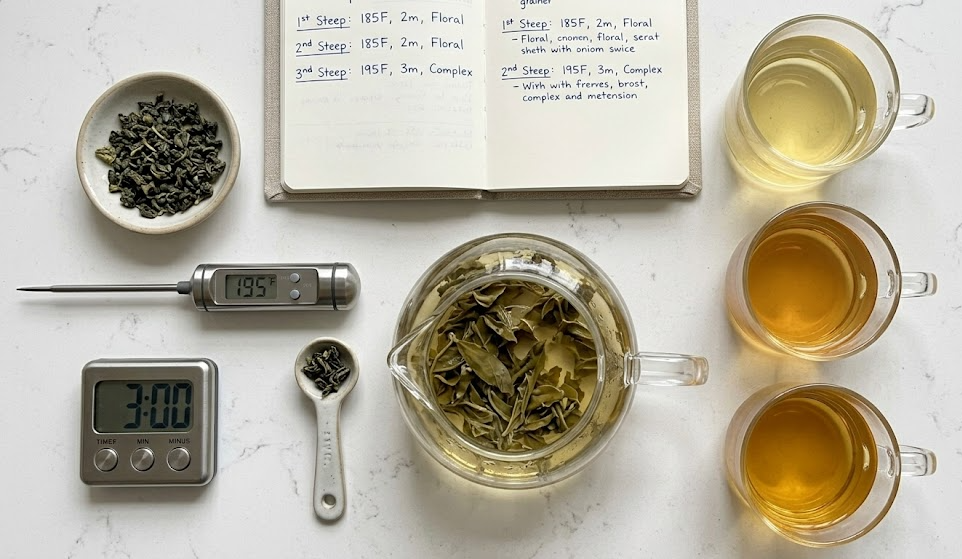
Unlike mass-market tea bags, which are completely spent after a single use, premium loose leaf tea is specifically designed to be steeped multiple times. In fact, many high-quality oolongs, black teas, and pu-erhs do not even reach their peak flavor until the second or third infusion.
As a whole tea leaf slowly unfurls, it releases its chemical compounds in stages. The first steep quickly pulls out the highly volatile, bright surface aromatics and top notes. The second steep, where the leaf is fully hydrated and physically open, draws out the deep, complex base notes and natural sweetness locked within the core fibers. The third steep yields a subtle, mellow, and highly nuanced cup.
To execute a flawless secondary or tertiary steep, you must utilize the +1 Minute Rule:
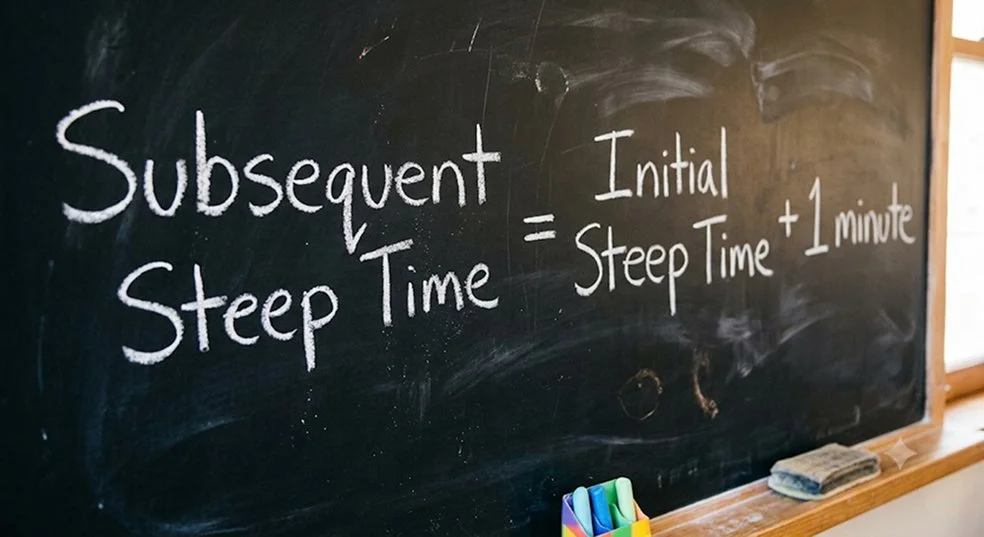
Because the leaves have already surrendered their initial surface flavors during the first round, the water requires slightly longer to pull out the deeper, structurally bound compounds. Adding exactly 60 seconds to your timer for each subsequent infusion compensates for this, guaranteeing a balanced, full-bodied extraction across three, four, or even five separate cups from the exact same handful of leaves.
The Double-Strength Iced Tea Rule
Making high-quality iced tea at home requires a specific mathematical adjustment. If you brew a standard mug of tea and simply pour it over a glass of ice cubes, the heat will instantly melt the ice, diluting your tea and leaving you with a watery, flavorless drink.
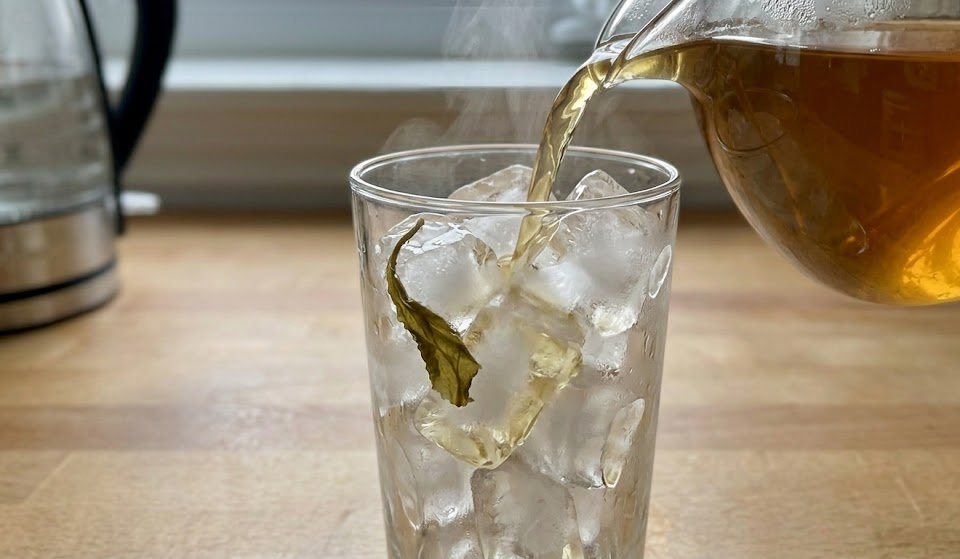
To combat this dilution, you must always double the leaf volume while keeping the water volume identical. If your target is an 8-ounce glass of iced black tea, measure out 2 level teaspoons of loose leaves instead of one, but steep it in only 8 ounces of hot water. Once the timer rings and the leaves are removed, pour this double-strength hot concentrate directly over a tall glass packed to the rim with ice. The melting ice will dilute the liquid down to the exact perfect drinking ratio, resulting in a bold, crisp, and vibrant iced tea that tastes identical to a professionally curated café brew.
Troubleshooting & Cleanup
Even with explicit instructions, minor errors in water temperature, leaf measurement, or water quality can create a sub-optimal cup. Use this diagnostic matrix to quickly identify and correct brewing issues:
The Troubleshooting Matrix
| Symptoms | Root Cause | Immediate Kitchen Fix |
|---|---|---|
| Tea tastes intensely bitter, sharp, and leaves your mouth feeling dry. | The water temperature was too hot (you burned the delicate leaves), or the leaves were left steeping past the recommended time limit. | Reduce your water temperature by 10°F to 15°F next time, and use a strict digital timer. Remove the leaves immediately when the timer sounds. |
| Tea tastes thin, watery, weak, and has almost no aroma. | You under-measured your leaf volume, or your water was too cool to penetrate the leaves and draw out the essential oils. | Increase your leaf measurement by an extra half-teaspoon, or ensure your water is meeting the explicit visual bubble cues outlined in the master chart. |
| Tea has a metallic, flat, or muddy flavor profile. | Your water quality is poor. Heavy municipal tap water full of chlorine or over-boiled water stripped of dissolved oxygen ruins the flavor profile. | Ditch municipal tap water and use cold, fresh filtered water or bottled spring water. Never microwave your water or boil it a second time. |
Ecological Cleanup: "Don't Trash the Leaves"
Standard paper tea bags are an environmental problem; they are frequently treated with non-biodegradable plastic sealants, meaning they linger in landfills for decades. Whole loose leaf tea, on the other hand, is a 100% natural, completely biodegradable organic material.
Once you are finished executing your final resteep, do not throw the spent leaves into the kitchen trash can. Instead, adopt a zero-waste philosophy and toss the wet leaves directly into a backyard compost bin, sprinkle them onto your outdoor garden beds, or distribute them directly across the soil of your indoor houseplants. Spent tea leaves are incredibly rich in nitrogen, potassium, and vital trace minerals, acting as a gentle, slow-release, and completely free organic fertilizer that enriches your soil and encourages healthy root growth.
FAQs
-
No. You should complete all of your consecutive resteeps within a 3- to 4-hour window. Once tea leaves are wet and exposed to open oxygen at room temperature, they become a prime breeding ground for airborne bacteria and mold. Always discard your spent leaves at the end of the day.
-
It is completely safe. Whole tea leaves are entirely non-toxic, edible, and packed with dietary plant fiber. In many culinary cultures, spent green tea leaves are saved, tossed with sesame oil and soy sauce, and eaten as a nutritious salad.
-
Loose tea leaves have four mortal enemies: air, light, heat, and moisture. Never store your tea collection inside clear glass jars on a sunny countertop; direct ultraviolet light degrades the delicate essential oils within days. Instead, store your leaves inside opaque, airtight tin canisters or sealed, foil-lined pouches hidden deep inside a cool, dark kitchen pantry. Kept properly, loose leaf tea will easily retain its peak flavor and aroma for up to two full years.
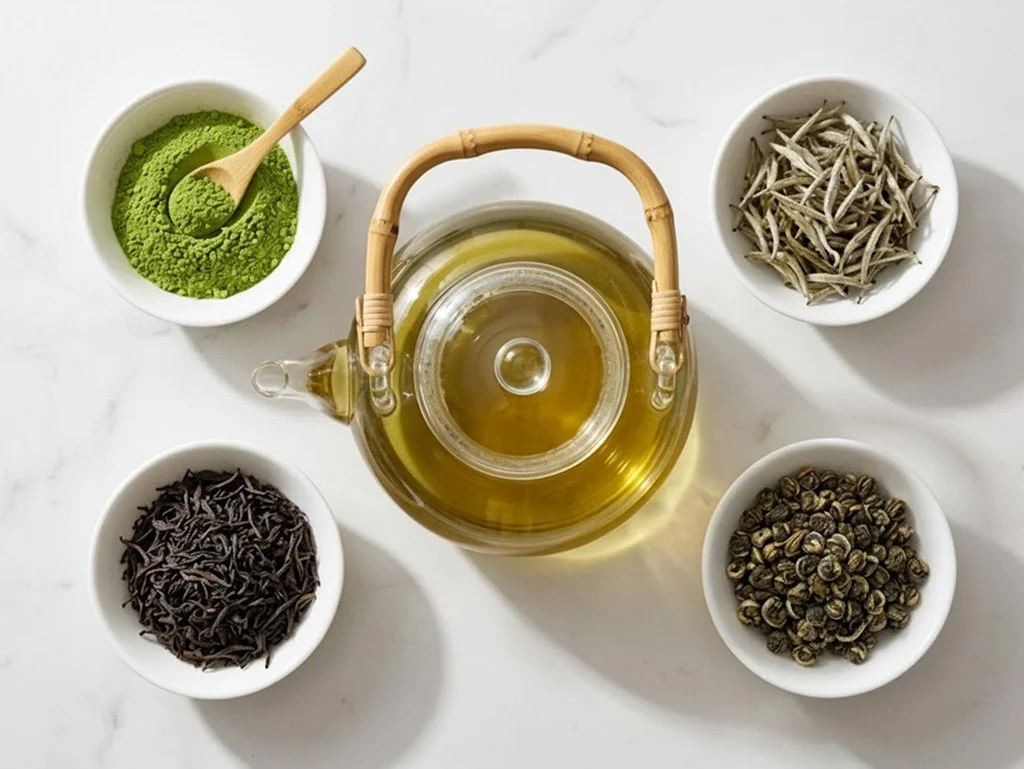

This coppery bright infusion is a perfect breakfast tea with good body and full bold flavors.