
What is Black Tea? History, Science, and Brewing

When you order "tea" in most American restaurants, black tea is almost always what you receive. It serves as the primary ingredient in iced tea, southern sweet tea, and globally recognized breakfast blends like Earl Grey and English Breakfast. While green tea remains the staple choice in Eastern countries like China and Japan, black tea dominates Western mugs and pantries.
But what exactly is black tea, how is it manufactured, and why did it become the preferred choice in the West? In this guide, we will break down the history, botany, flavor profiles, and brewing methods behind this global beverage.
The Name: Black Tea vs. Red Tea (Hong Cha)
There is a historical divide in how this tea is named across different cultures.
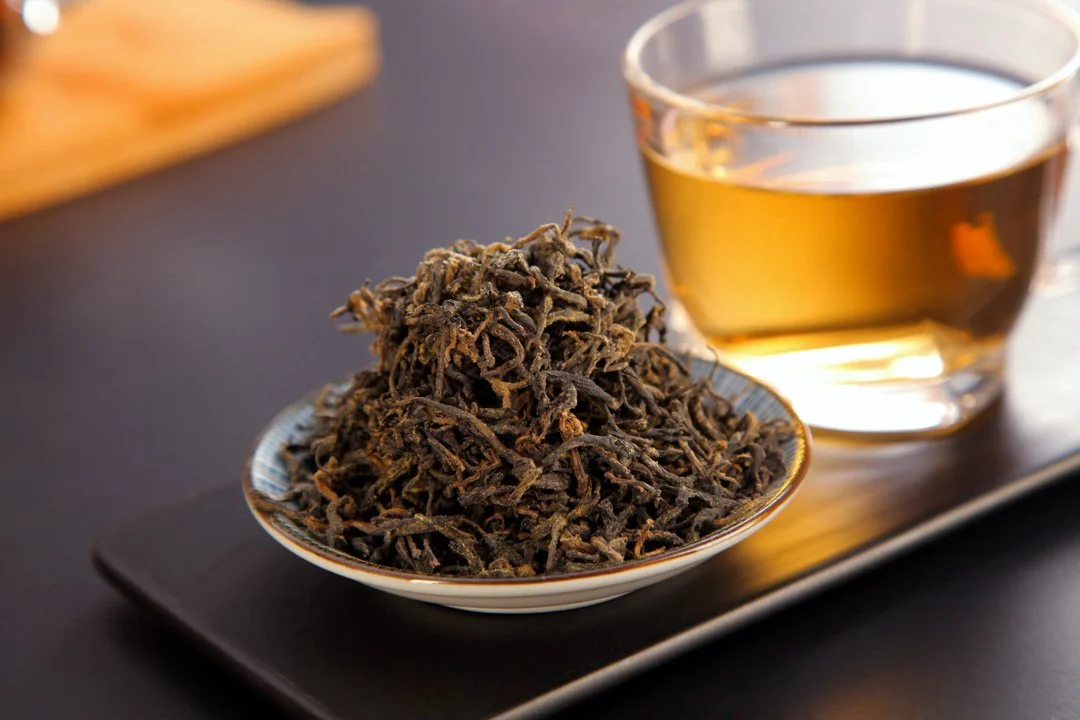
In Western countries, the name "Black Tea" refers directly to the color of the dry, processed leaves. When sitting in a tin or a pouch, the leaves appear dark brown, charcoal, or velvet-black.
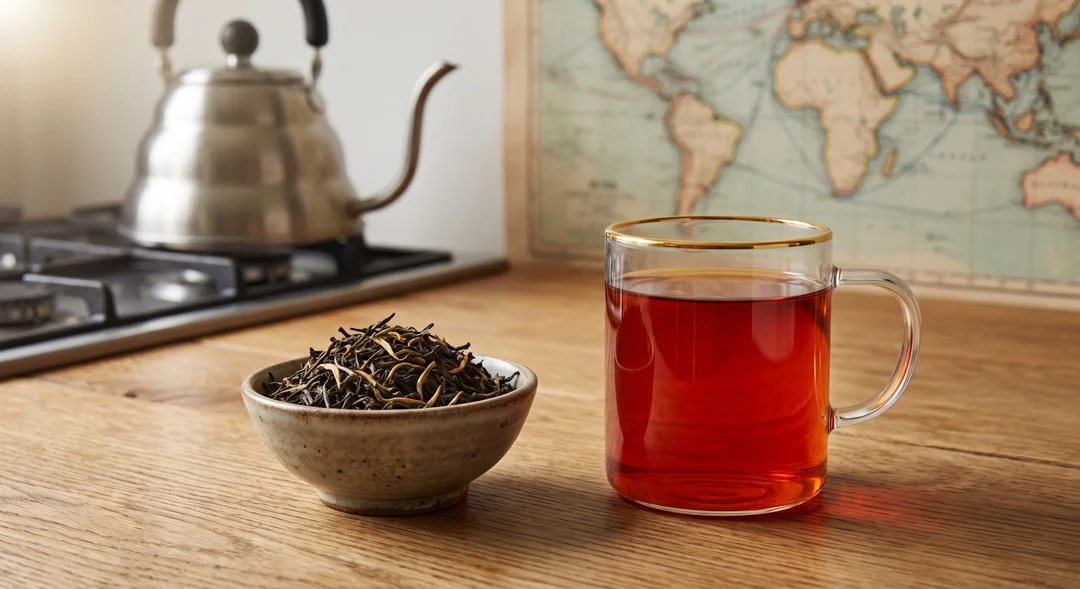
However, in China and Taiwan, this exact same category is known as "Red Tea" or Hong Cha. Rather than looking at the dry leaf, Eastern cultures name the tea after the physical color of the liquid in the cup. Once steeped in hot water, high-quality black tea produces a deep reddish-amber, copper, or dark orange liquid.
The Botany: One Plant, Different Varietals
A common misconception is that black tea and green tea come from entirely different species of bushes. In reality, all true tea originates from the exact same evergreen plant: Camellia sinensis.
The difference lies entirely in how the leaves are handled after harvest. If you quickly heat the leaves to keep them from turning dark, you get green tea. If you let the leaves brown completely via oxidation, you get black tea.
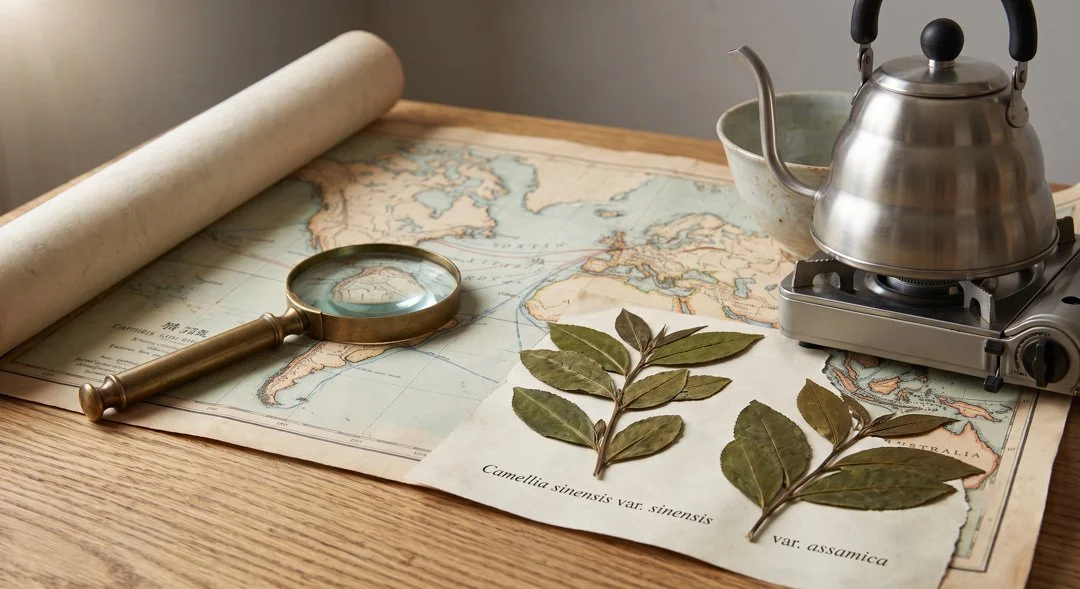
While the base species is identical, nature evolved two major sub-varieties (varietals) of the Camellia sinensis plant that heavily dictate the final character of black tea:
Camellia sinensis var. sinensis: Native to China, this varietal features small leaves and thrives in cold, high-altitude, and dry mountainous regions. It is typically used to produce green tea, but when used for black tea, it yields lighter, highly aromatic, and naturally sweet profiles.
Camellia sinensis var. assamica: Discovered in the Assam region of India, this varietal has much larger leaves and thrives in warm, rainy, tropical lowlands. It naturally yields the bold, heavy, and malty flavor profiles characteristic of traditional Western black teas.
The final taste is also shaped by terroir—the unique environmental profile of the estate. Factors like soil composition, rain distribution, and elevation leave a distinct chemical fingerprint on the leaf before it is ever picked.
Black Tea from Shop Loose Tea

The History: A Preservation Hack for Global Shipping
Before the invention of black tea, Chinese communities drank green and minimally oxidized oolong teas. Black tea was developed around the 17th century during the Ming and Qing dynasties to solve a major logistical issue: overseas trade.
When European merchants began purchasing tea from China, ships had to transport the cargo across oceans for months at a time. Because green tea is fresh and unoxidized, it easily rotted, grew mold, and lost its flavor when exposed to the high heat and humidity inside a ship's wooden hull.
To prevent this loss, Chinese tea producers experimented with the processing cycle. They discovered that allowing the plucked leaves to oxidize completely before drying them locked in the flavors. This full oxidation created a shelf-stable product that could survive a year at sea without degrading, giving birth to the black tea export market.
The Colonial Sugar Connection
During the 1800s, England’s sugar imports from its Caribbean colonies surged. Adding sugar and milk to hot beverages quickly became a defining cultural habit across the British Empire and its American colonies.
While delicate, grassy green tea tastes unpleasant when mixed with dairy and sweeteners, robust black tea carries enough bitterness to balance them out perfectly. This culinary shift cemented black tea as the default preference for Western consumers.
💡 HISTORICAL PRO-TIP
"If you find high-quality pure black tea too bitter but want to stop using processed sugar, try pairing it with raw, dark honey like Sourwood or Buckwheat. These specific honeys share the same deep, malty flavor compounds as heavy black teas, naturally enhancing the beverage without muddying its profile with artificial sweetness."
How Black Tea is Made: Orthodox vs. CTC
Turning a fresh green leaf into a shelf-stable black tea requires reducing its water content and intentionally changing its chemistry. In commercial tea production, this is accomplished using one of two manufacturing methods: Orthodox or CTC.
The Premium Approach: Orthodox Manufacturing
The Orthodox method focuses on keeping the tea leaves as whole as possible throughout production. This process can be handled by hand or by traditional machines that mimic hand movements:
Withering: Freshly picked leaves are spread onto long trays for 4 to 18 hours. Air is circulated through them to remove roughly 60% of their moisture, making them soft and pliable like leather.
Rolling: The softened leaves are placed into rolling machines that twist and press them under light pressure. This action breaks down the internal plant cell walls, pushing the natural juices and enzymes out to the surface of the leaf.
Oxidation: The rolled leaves are laid out on large trays in a climate-controlled room to darken.
Drying (Firing): Once flavor develops, the leaves go through large conveyor-belt ovens. High heat deactivates the enzymes, halts oxidation, and brings the final moisture content down to around 2% to 6%.
The Mass-Market Approach: CTC (Crush-Tear-Curl)
Invented in the 1930s to maximize industrial efficiency, the CTC method bypasses traditional rolling. Instead of gently twisting the leaves, withered tea leaves are passed through a series of rollers covered in sharp metal teeth that mechanically Crush, Tear, and Curl the leaves into uniform, tiny pellets. Because the leaf is completely shredded, it oxidizes incredibly fast and packs tightly, making it cheap to produce and perfectly sized for commercial paper tea bags.
The Internal Chemistry: Theaflavins vs. Thearubigins
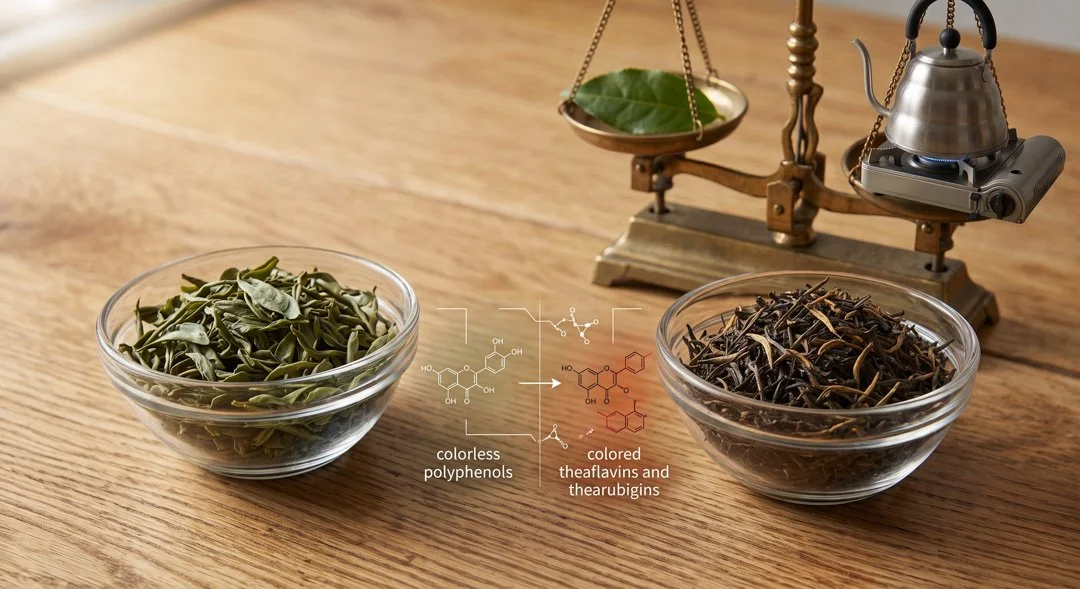
The core difference between black tea and other varieties comes down to a chemical process called enzymatic oxidation.
When tea leaves are rolled or crushed, an internal plant enzyme called polyphenol oxidase escapes the cell walls and reacts with oxygen in the air. This is the exact same chemical reaction that causes a sliced apple or avocado to turn brown on your kitchen counter. Green tea makers flash-heat their leaves immediately after harvest to kill this enzyme, keeping the leaves green. Black tea makers purposefully encourage it.
During this browning phase, the colorless antioxidants (polyphenols) inside the green leaf transform into two completely new, dark-colored compounds that dictate the tea's final character according to research on black tea polyphenols published by the NIH:
Theaflavins: These are the first compounds to form during oxidation. They give the brewed liquor a bright, golden ring around the edges of your mug. Taste-wise, theaflavins are responsible for astringency—that sharp, brisk, "puckery" sensation that dries out your mouth and allows the tea to cut through milk and sugar.
Thearubigins: If leaves are oxidized slowly, theaflavins convert into larger molecules called thearubigins. These compounds give the brew its deep, dark mahogany or reddish-brown color. Chemically, they soften the liquid, creating a velvety, smooth, and mellow body with minimal bitterness.
Global Terroir: Major Black Tea Regions
Because soil, altitude, and weather dictate flavor, black teas taste vastly different depending on where they were cultivated.
China: Smooth & Mellow
Chinese black teas generally use the small-leaf var. sinensis plant and rely on slow processing to maximize smooth thearubigins.
Keemum: Features a historic variety carrying subtle notes of unsweetened cocoa, pine wood, and a mild fruitiness with almost no bitterness.
Lapsang Souchong: Originating in the Wuyi Mountains, this style is dried over burning pine logs, giving the leaves a distinctive, campfire-smoky aroma and a savory flavor profile.
India: Bold & Expressive
India is famous for producing highly distinct black teas from two starkly different environments.
Assam: Grown in the rich, tropical floodplains of the Brahmaputra River, Assam tea features a heavy, rich, and distinctly malty flavor profile that rivals coffee in strength and pairs perfectly with milk.
Darjeeling: Cultivated on steep terraces in the foothills of the Himalayas, this tea is famous for its delicate, highly aromatic "muscatel" flavor—a unique note resembling green wine grapes and fresh flowers.
🍵 EXPERT TASTING NOTE
"In professional cupping rooms, First Flush Darjeeling is treated almost as an honorary oolong rather than a traditional black tea. Because the leaves are harvested early in spring and oxidized minimally, it produces a pale green-gold liquor. Look for a distinctive 'muscatel' note—a crisp, fleeting flavor that mimics the skin of sweet white wine grapes."
Sri Lanka (Ceylon): Brisk & Citrusy
Teas from Sri Lanka are still labeled by the island’s colonial name, Ceylon. They are generally medium-bodied, bright amber in color, and feature a crisp, citrusy finish with a hint of spice.
Caffeine and Health Dynamics
On average, an 8-ounce cup of black tea contains 40 to 70 mg of caffeine, sitting securely between green tea (25–45 mg) and brewed coffee (95–200 mg).
Black tea leaves contain L-theanine, an amino acid that slows down the absorption of caffeine. As outlined in Harvard nutritional reviews on tea compounds, this creates a state of calm focus, avoiding the sharp energy spikes and subsequent jitters common with coffee.
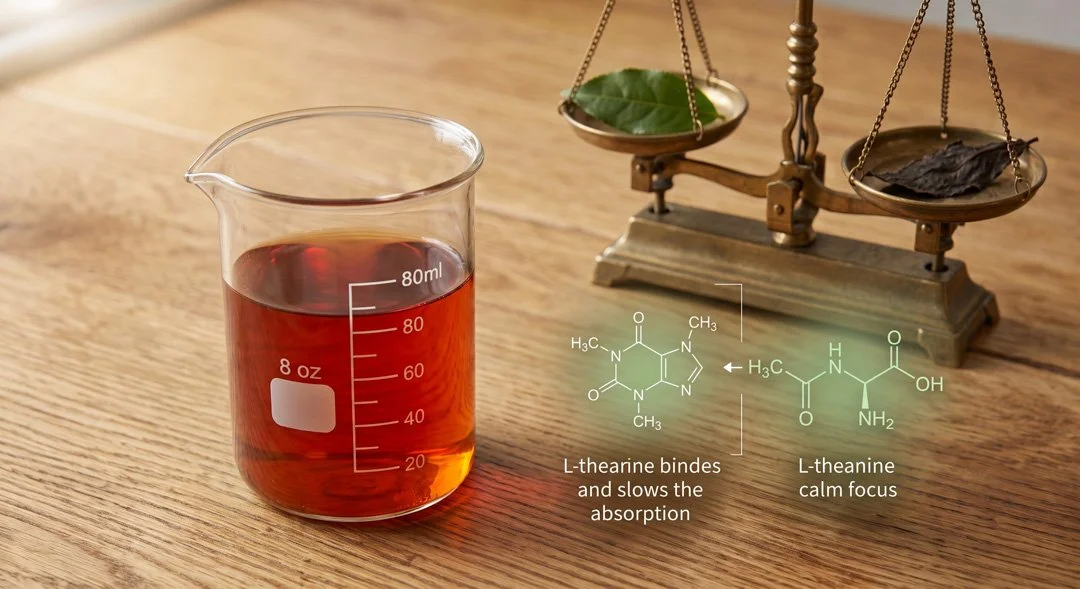
Black tea leaves contain L-theanine, an amino acid that slows down the absorption of caffeine. This creates a state of calm focus, avoiding the sharp energy spikes and subsequent jitters common with coffee.
Documented Health Properties
Black tea is rich in polyphenols, specifically the theaflavins and thearubigins created during oxidation. These act as powerful antioxidants that support cardiovascular health by improving blood vessel function. Additionally, the natural tannins present in black tea have a mild relaxing effect on the body's digestive system.
The Master Brewing Protocol
Brewing black tea requires following a few basic mechanical principles to avoid ruining a high-quality harvest.
The Leaf-to-Water Mass Ratio
For a balanced cup, target 2 grams of leaf per 8 ounces of water. Because leaves vary in density, adjust your measuring spoon based on visual cues:
Dense Pellets or Pearls: Use 1 level teaspoon (as they pack tightly).
Large, Fluffy Leaves: Use 2 heaping teaspoons to achieve the same structural mass.
Water Temperature and the Darjeeling Exception
Standard black teas are robust and require water just off a rolling boil (205°F to 212°F) for 3 to 5 minutes to fully break open the oxidized leaf fibers.
The single major exception to this rule is Darjeeling. Because high-quality Darjeelings are highly delicate and floral, using boiling water will scald the leaves and ruin the flavor. Drop your water temperature to 180°F and limit the steep to 3 minutes max.
The Golden Rule of Strength: If your finished cup of tea tastes too weak, a common mistake is leaving the leaves in the water past the 5-minute mark. Over-steeping does not make tea richer; it simply forces an aggressive, unwanted flood of bitter tannins. If you want a stronger, bolder cup of tea, increase the physical amount of leaf mass used, never the steeping time.
🔬 CHEMISTRY TASTING NOTE
"Always pay attention to your mineral content. Hard tap water packed with heavy calcium and magnesium destroys black tea by binding to the aromatic theaflavins. This creates a dull, oily film or 'scum' on top of your mug and flatlines the flavor. For the brightest color and purest expression of origin, always use fresh, spring-fed or filtered water."
Troubleshooting Your Brew
| Symptom | Root Cause | Immediate Fix |
|---|---|---|
| Tea tastes bitter or sharp. | The water was too hot, or the leaves steeped past the 5-minute limit. | Lower your water temperature slightly next time, use a digital timer, and remove the leaves immediately when the timer goes off. |
| Tea tastes thin, watery, or weak. | You under-measured the leaf volume, or the water was too cool to penetrate the leaf fibers. | Increase your leaf measurement by a half-teaspoon, and ensure your water reaches a full boil before pouring. |
| Tea has a flat or muddy flavor. | The water quality is poor, or the water was boiled multiple times, stripping it of oxygen. | Switch to fresh, cold filtered water or bottled spring water. Never use a microwave or re-boil old water. |
Long-Term Storage Requirements
Loose tea leaves have four primary environmental enemies: air, light, heat, and moisture. Because black tea is fully oxidized, it is far more shelf-stable than delicate green or white teas, easily retaining its peak flavor for up to two full years if cared for correctly.
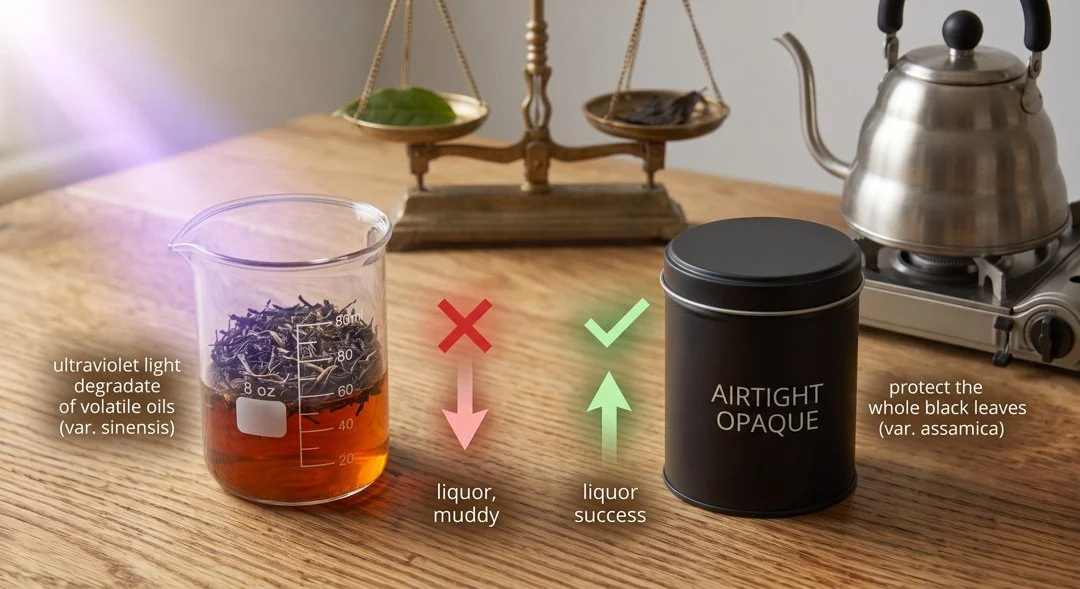
Never store your tea collection inside clear glass jars on a sunny kitchen countertop. Ultraviolet light degrades the volatile essential oils within days. Similarly, keep your tea away from highly aromatic pantry neighbors like coffee beans or cooking spices, as dry tea leaves absorb ambient moisture and odors like a sponge. For optimal freshness, store your leaves inside opaque, airtight tin canisters or sealed foil pouches hidden deep inside a cool, dark pantry.
Conclusion: Appreciating the Craft
At its core, black tea is much more than a convenient source of morning caffeine. It is a brilliant historical preservation hack that permanently changed global trade and shaped modern culinary habits. By understanding how environmental factors, regional processing styles, and slow chemical oxidation alter the Camellia sinensis leaf, you can look at your morning cup through the eyes of an industry insider.
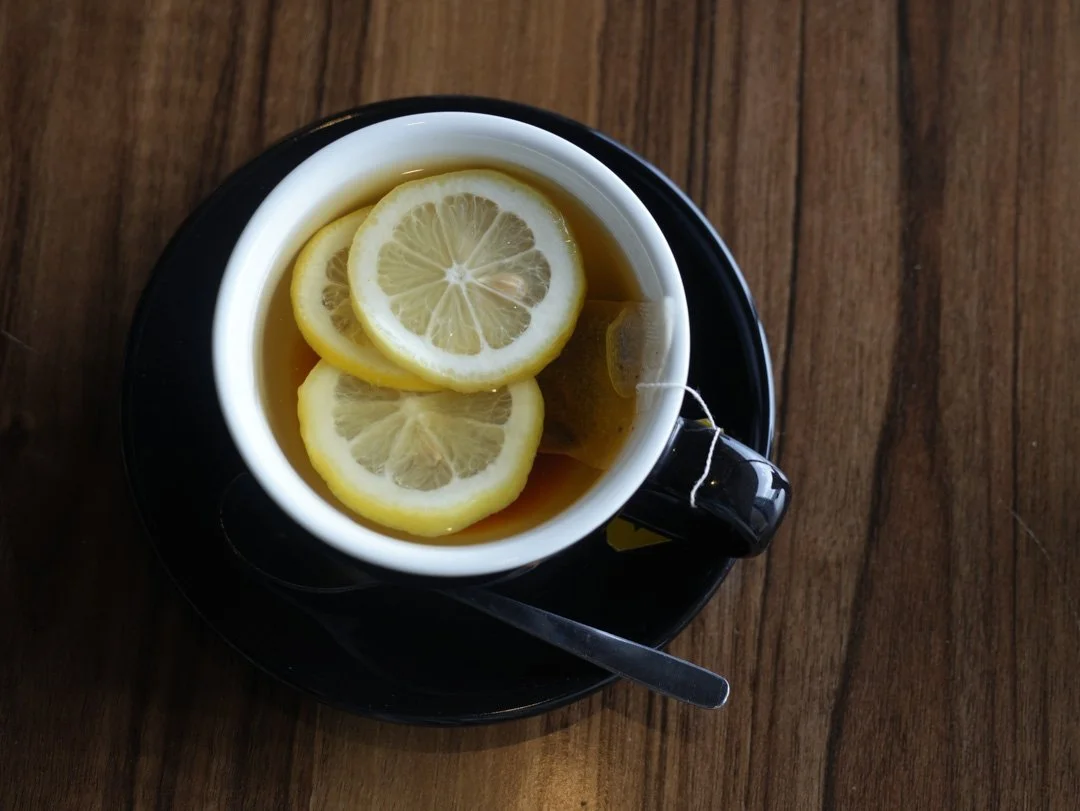
Whether you prefer the smooth, un-chopped leaves of a traditional Chinese Keemum, or the bold, robust punch of an orthodox Indian Assam that cuts perfectly through milk, the secret to the ultimate cup always comes down to control. By maintaining your leaf-to-water ratios, heating fresh water to the appropriate target temperatures, and respecting strict steeping times, you will consistently unlock the deep aromas, rich colors, and complex flavors that define this timeless global classic.
FAQS
-
There is no right or wrong answer, but it depends heavily on the variety you are drinking. Robust, high-astringency Indian black teas like Assam or traditional English Breakfast blends are structurally designed to handle milk and sugar, which soften the sharp tannins. However, highly aromatic or slow-oxidized Chinese black teas like Keemum or Golden Monkey are naturally sweet and smooth; adding dairy will completely mask their delicate cocoa and fruit notes.
-
No. On average, an 8-ounce cup of black tea contains between 40 to 70 mg of caffeine, while the same size cup of brewed coffee contains 95 to 200 mg. Even a very strongly brewed black tea will generally possess less than half the caffeine content of a standard cup of drip coffee.
-
Regular black tea is a pure, unflavored agricultural product made strictly from processed Camellia sinensis leaves. Earl Grey is a flavored black tea blend. It takes a base of regular black tea leaves and infuses them with natural oil extracted from the rind of the bergamot orange (a fragrant, sour citrus fruit grown primarily in Italy), giving the tea its signature floral-citrus aroma.
-
That dry, chalky, or puckery sensation is caused by astringency, which comes from natural plant compounds called tannins and theaflavins. When these compounds bind to the proteins in your saliva, they cause a temporary drying sensation on your tongue. If the dryness is unpleasantly intense, it means the tea was over-steeped (left in the water longer than 5 minutes) or brewed with water that was too hot for that specific variety.
-
Because black tea is fully oxidized and dried down to a minimal 2% to 6% internal moisture content, it is highly shelf-stable. It will not rot, grow mold, or make you sick if it sits in your cabinet for years. However, it will go stale. Over time, exposure to air causes the volatile essential oils to evaporate, leaving the tea tasting flat, woody, or flavorless. For the best flavor profile, consume your black tea within two years of purchase.
-
Yes, black tea is mildly acidic, typically landing at a pH level between 4.9 and 5.5 on the chemical scale (where 7 is completely neutral). For comparison, black tea is significantly less acidic than coffee (which averages a pH of 4.5 to 4.8), tomato juice, or soda, making it generally much gentler on sensitive stomachs.


This coppery bright infusion is a perfect breakfast tea with good body and full bold flavors.