The 10 Best Antioxidant-Rich Teas, Ranked by Science
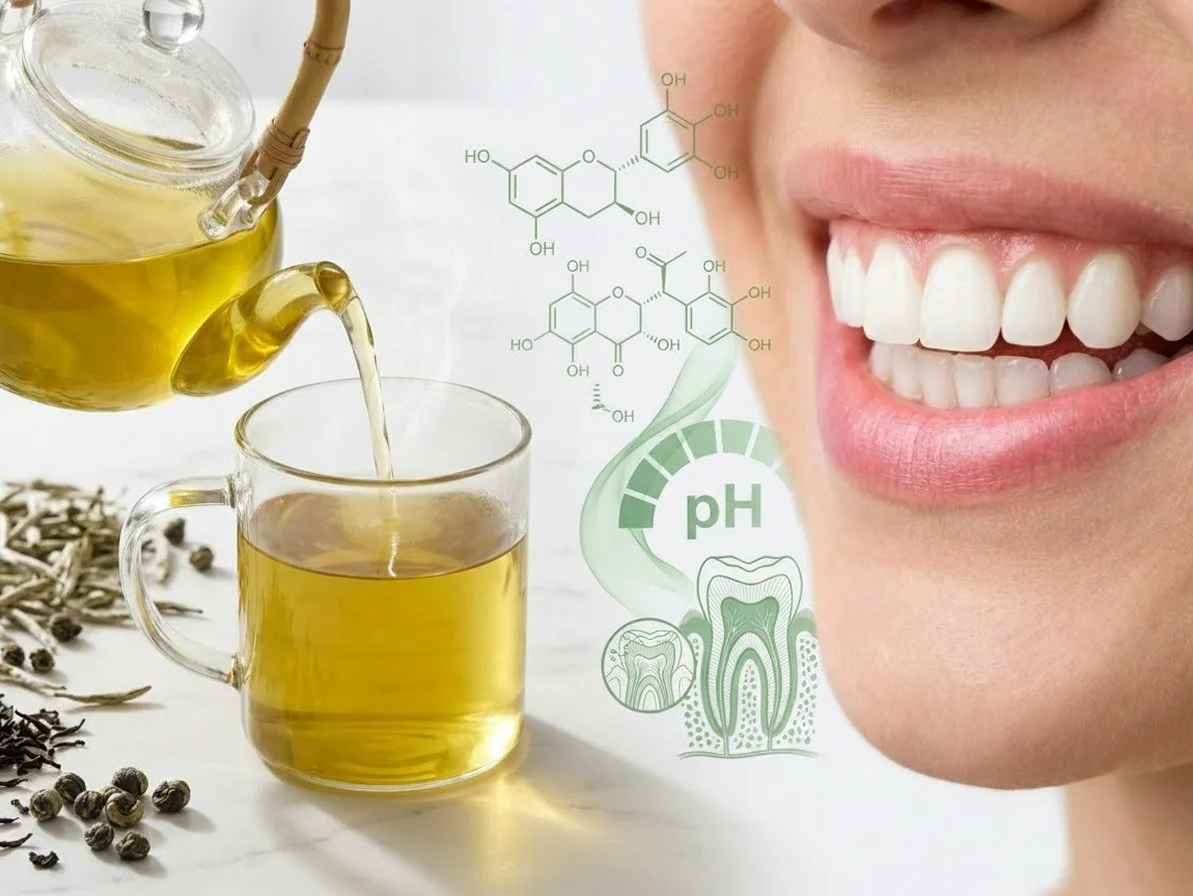
When looking for the most healthy tea to add to your daily wellness routine, stepping into the world of loose leaf varieties can feel overwhelming. Every blend promises a miracle cure, but if your goal is long-term wellness, reduced inflammation, and better cell defense, you need to look at the hard science. The secret to a truly life-changing brew lies in its polyphenol profile—specifically, finding an antioxidant rich tea that can actively protect your body from daily stress.
But here is the catch that most generic health blogs miss: not all teas release their nutrients the same way. There is a massive structural difference between True Teas (derived from the antioxidant-dense Camellia sinensis plant) and Herbal Botanicals (which do not contain actual tea leaves but offer specific target benefits like sleep or digestion).
To help you get the most out of every single cup, we looked at peer-reviewed scientific data to bring you the ultimate, definitive ranking of the world's best wellness teas.
The "Antioxidant Vacuum" Concept: How Tea Protects Your Body
To understand why tea is so powerful, think of your body as a busy house. Every day, your body produces tiny, unstable molecules called free radicals as a byproduct of normal life, breathing, and digesting food. External factors like air pollution, stress, and ultraviolet (UV) sunlight create even more.
Free radicals wander around your cells like toxic trash, causing microscopic damage known as oxidative stress. Over time, this stress leads to cellular aging and chronic inflammation.
Antioxidants act like a high-powered robotic vacuum cleaner inside your bloodstream. They travel through your body, safely scooping up free radicals and neutralizing them before they can damage your healthy cells. Steeping a high-quality cup of tea is one of the easiest, fastest ways to flood your system with these protective biological vacuums.
Quick Takeaways: The Ultimate Antioxidant Leaderboard
If you are in a rush and want to find the highest-performing antiox tea to brew right now, here is how the world's healthiest infusions stack up by their primary health compounds and scientific benefits:
| Rank & Tea Variety | Primary Antioxidant | Main Health Benefit | Best Time to Drink |
|---|---|---|---|
| 1. Matcha Green Tea | EGCG (Epigallocatechin Gallate) | Maximum cellular defense & high metabolic burn | Morning / Pre-workout |
| 2. White Tea | Pure, Unoxidized Catechins | Advanced skin health, anti-aging, & cell repair | Morning / Afternoon |
| 3. Traditional Green Tea | Balanced Catechins & L-Theanine | Cardioprotective support & calm, sharp focus | All Day (Before 4 PM) |
| 4. Oolong Tea | Hybrid Polymerized Polyphenols | Active blood sugar management & digestion | After Heavy Meals |
| 5. Black Tea | Theaflavins & Thearubigins | Gut health barrier & blood vessel protection | Breakfast / Early Afternoon |
| 6. Chamomile Tea | Apigenin | Central nervous system relaxation & anxiety relief | Deep Night / Before Bed |
| 7. Hibiscus Tea | Anthocyanins & Vitamin C | Lowering LDL cholesterol & blood pressure support | Afternoon / Post-Dinner |
| 8. Peppermint Tea | Menthol Essential Oils | Gastrointestinal muscle relaxation & bloating relief | After Meals / Evening |
| 9. Ginger Tea | Gingerol | Chronic systemic inflammation & nausea relief | First Thing in Morning / If Ill |
| 10. Rooibos Tea | Aspalathin & Quercetin | Caffeine-free glucose regulation & stress control | Any Time / Evening |
The Top 5 True Antioxidant-Rich Teas, Ranked
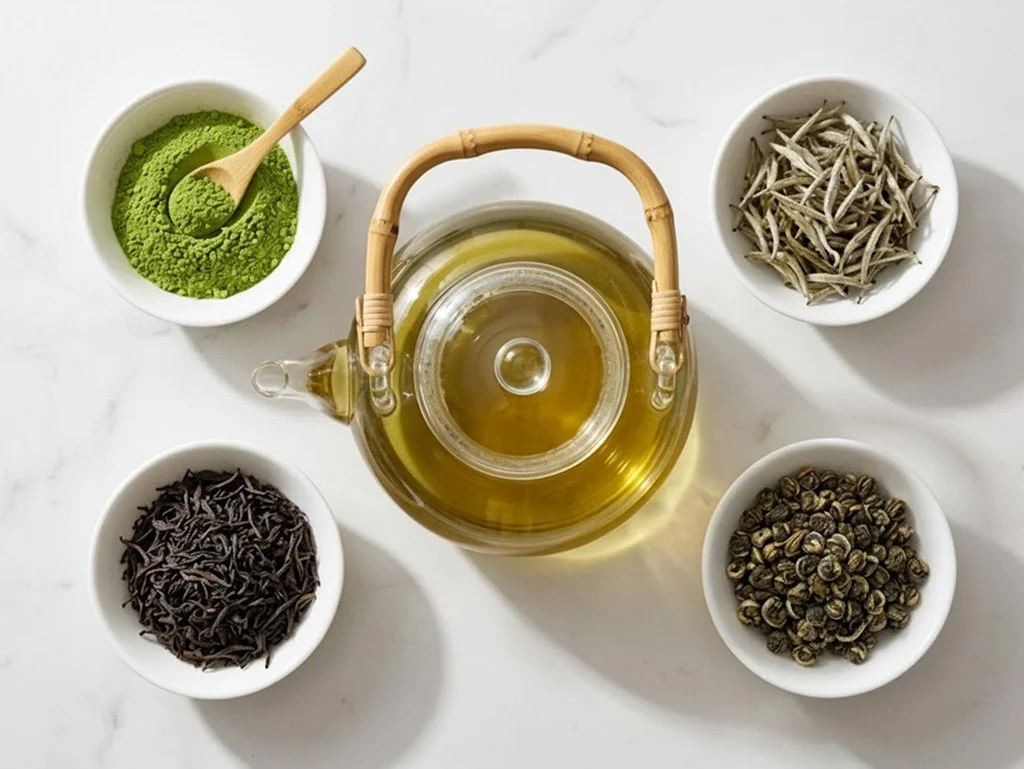
Every tea in this first section is considered a "true tea" because they all originate from the exact same evergreen bush: Camellia sinensis. The massive differences in their color, taste, and final antioxidant structure come down entirely to how the leaves are handled and processed immediately after harvest.
1. Matcha Green Tea: The Unrivaled Antiox Green Tea King
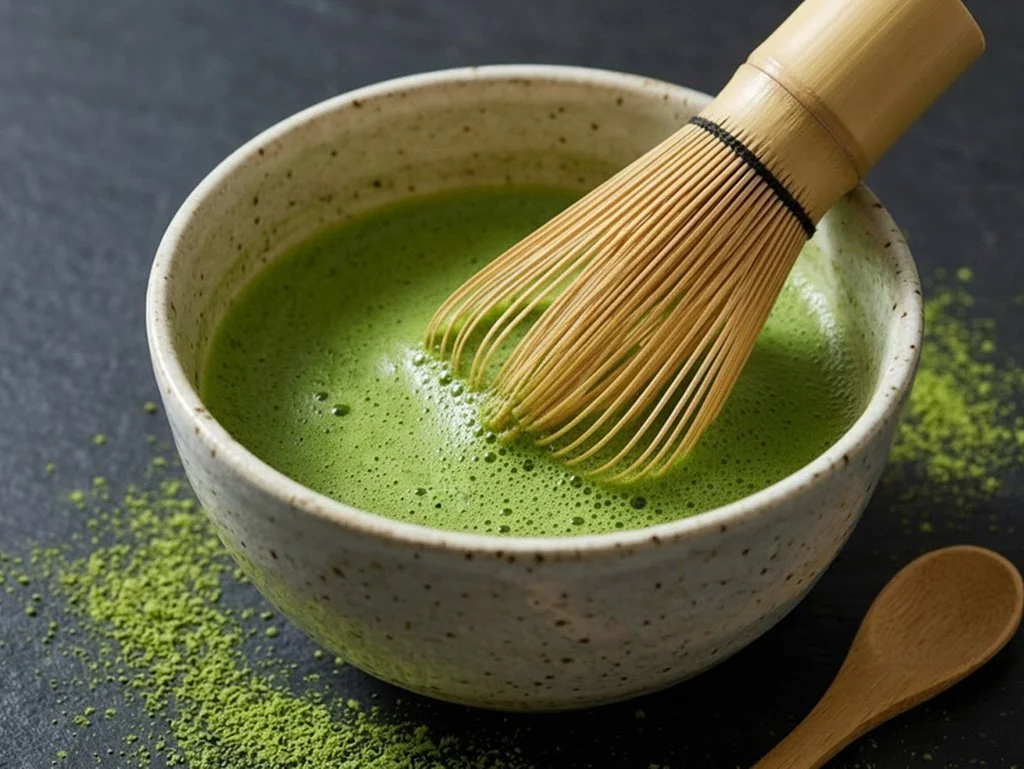
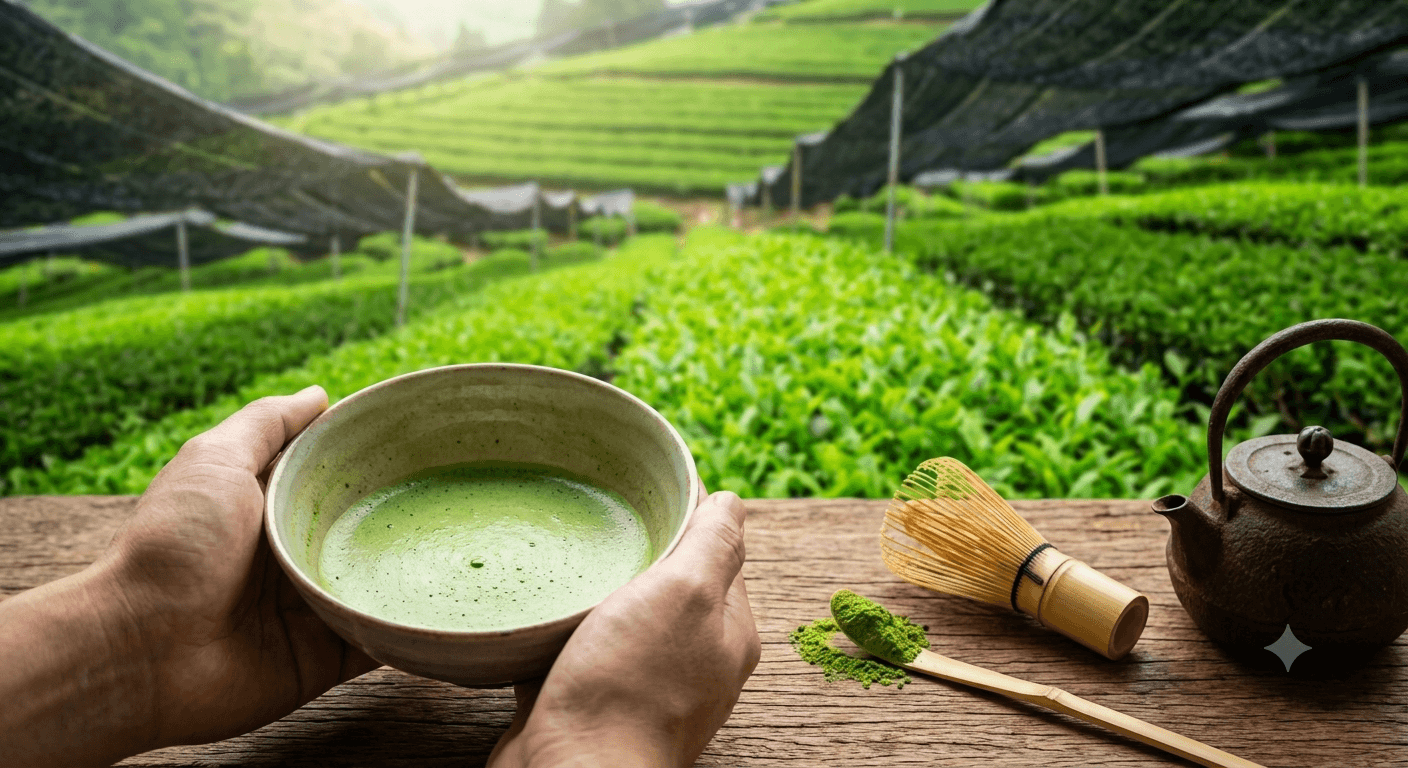
Matcha stands completely alone at the top of the wellness leaderboard. When you brew standard green tea, you steep the leaves in hot water and discard them, extracting only a fraction of the water-soluble nutrients. Matcha, however, is a vibrant green powder made from stone-grinding whole green tea leaves that have been shaded from the sun for weeks before harvest.
Because you mix the powder directly into your water or milk, you consume the entire leaf. This unique processing method makes matcha the absolute king of the antiox green tea category.
Scientifically, matcha delivers a staggering dose of an antioxidant called epigallocatechin-3-gallate (EGCG). Independent laboratory studies have shown that high-quality ceremonial matcha can contain up to 137 times more EGCG than low-grade commercial steeped green tea bags. This massive antioxidant payload helps boost your metabolic rate, lowers cell inflammation, and protects your brain cells from cognitive decline.
2. White Tea: High Concentration of Unoxidized Catechins
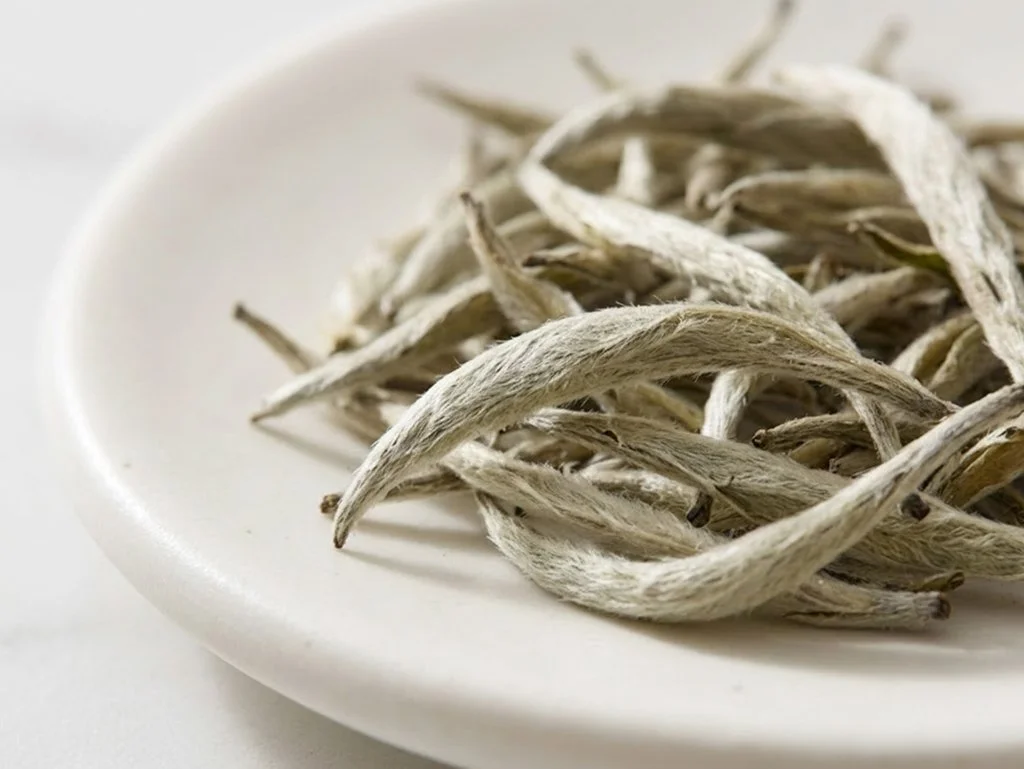
White tea is the least processed of all true teas. It is harvested early in the spring from the youngest, most immature buds of the plant—often called "Silver Needle" due to the fine silver downy fuzz that covers the tiny leaves.
Because white tea is simply plucked, lightly steamed or fired, and dried without being rolled or bruised, it undergoes virtually zero oxidation.
From a chemistry standpoint, this minimal handling preserves the tea leaf in its most natural, native state. White tea contains exceptionally high levels of raw catechins. Since these molecules have not been altered by exposure to oxygen, they are incredibly efficient at protecting skin cells from UV light damage and helping the body repair broken cellular structures. It offers a incredibly clean, light, and floral flavor profile with slightly less caffeine than standard green tea.
3. Traditional Green Tea: The Gold Standard for Cardiovascular Health
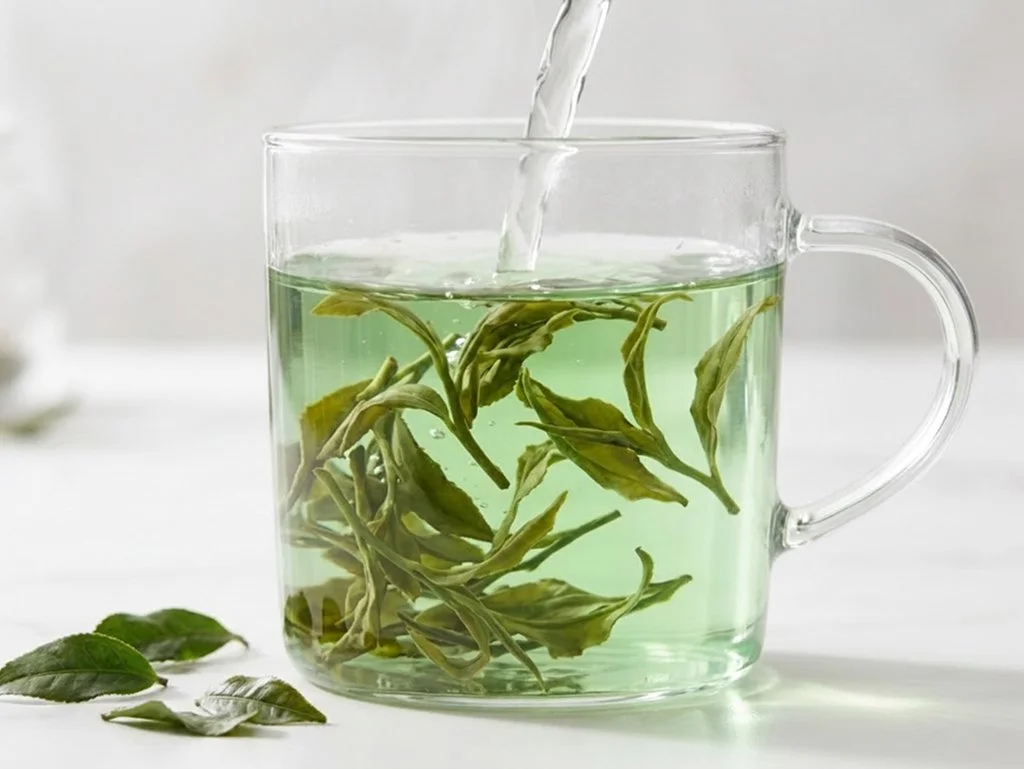
Traditional loose leaf green tea is pan-fired or steamed immediately after plucking to stop oxidation in its tracks, locking in its bright green color and vegetal flavor notes.
According to extensive peer-reviewed data, including antioxidant research published by the NIH, these unfermented green tea leaves retain a massive array of native polyphenols that directly support cardiovascular health.
Regularly drinking green tea helps improve your blood vessels' ability to expand and contract, reducing stress on your heart. Furthermore, traditional green tea naturally pairs these protective antioxidants with L-theanine, an amino acid that crosses the blood-brain barrier. L-theanine works hand-in-hand with the tea’s natural caffeine to trigger an increase in alpha brain waves, leaving you in a state of calm, relaxed, yet sharp focus without the sudden energy crashes common to coffee.
🍵 OUR EXPERT OPINION
"Many people buy premium green tea for its health benefits but end up throwing it out because it tastes unpleasantly bitter. Remember, bitterness is usually a sign of human error, not bad tea! If you use boiling water, you scald the leaves and destroy the delicate antioxidants. Drop your water temperature to 175°F, and you will unlock a sweet, smooth, and highly potent cup."
4. Oolong Tea: The Hybrid Polyphenol Blend
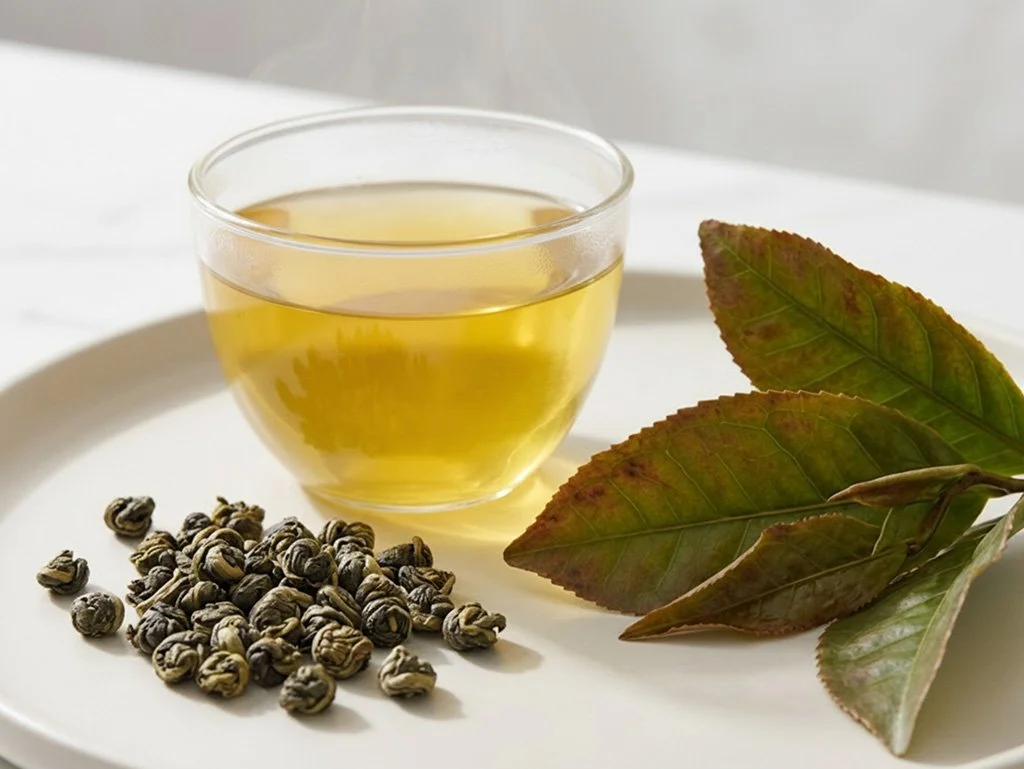
Oolong tea is a traditional variety that sits exactly halfway between green tea and black tea in terms of processing. The leaves are intentionally bruised and allowed to oxidize under the sun, but the process is stopped midway through. This partial oxidation gives oolong tea a highly complex character, ranging from creamy and floral to deeply roasted and nutty.
Because of this unique hybrid processing method, oolong tea contains a diverse chemical mix of antioxidants. It retains a portion of the raw catechins found in green tea, while also developing complex antioxidants found in black tea. Clinical trials show that these unique hybrid oolong compounds are exceptionally good at helping the body manage blood sugar levels and increasing metabolic energy expenditure, making it an excellent companion drink after heavy meals.
5. Black Tea: Rich in Cardioprotective Theaflavins and Thearubigins
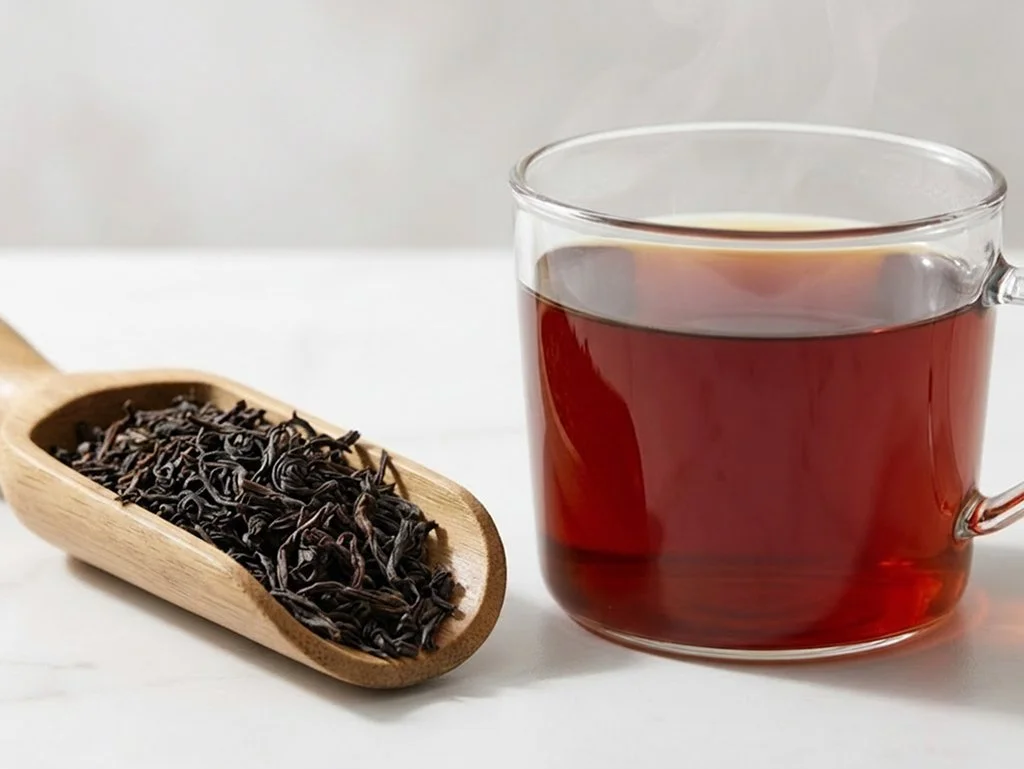
Black tea is the most consumed variety in the West, serving as the base for legendary breakfast blends and iced teas. During production, the leaves are fully crushed and rolled, allowing them to oxidize 100% until they turn completely dark brown or charcoal black.
When these leaves oxidize, the raw, colorless catechins inside the leaf permanently transform into two completely new groups of dark antioxidants: theaflavins and thearubigins. If you want to dive deeper into how this transformation works, exploring the specifics of black tea processing will reveal how this browning phase shapes both health and flavor.
These unique black tea antioxidants are robust and highly stable. Clinical research demonstrates that theaflavins support your body's cardiovascular network by improving endothelial health—the delicate lining inside your blood vessels—and assisting in lowering overall LDL ("bad") cholesterol levels.
🍵 OUR EXPERT OPINION
"If you want to transition away from sugary morning drinks but find pure black tea a bit too astringent on an empty stomach, don't rush to dump white sugar into it. Try pairing your black tea with a drizzle of raw, dark honey like Buckwheat or Sourwood. These raw honeys naturally share the exact same deep, malty flavor notes as oxidized tea leaves, elevating the health profile without masking it."
The 5 Best Healthy Herbal Teas for Functional Wellness
Herbal teas—technically called tisanes—do not come from the tea plant. Instead, they are made by infusing dried fruits, flowers, roots, or bark from various therapeutic plants in hot water. While they lack the specific catechins of true teas, they offer exceptional alternative health properties and are naturally 100% caffeine-free.
6. Chamomile Tea: The Best Healthy Tea for Sleep and Anxiety Relief
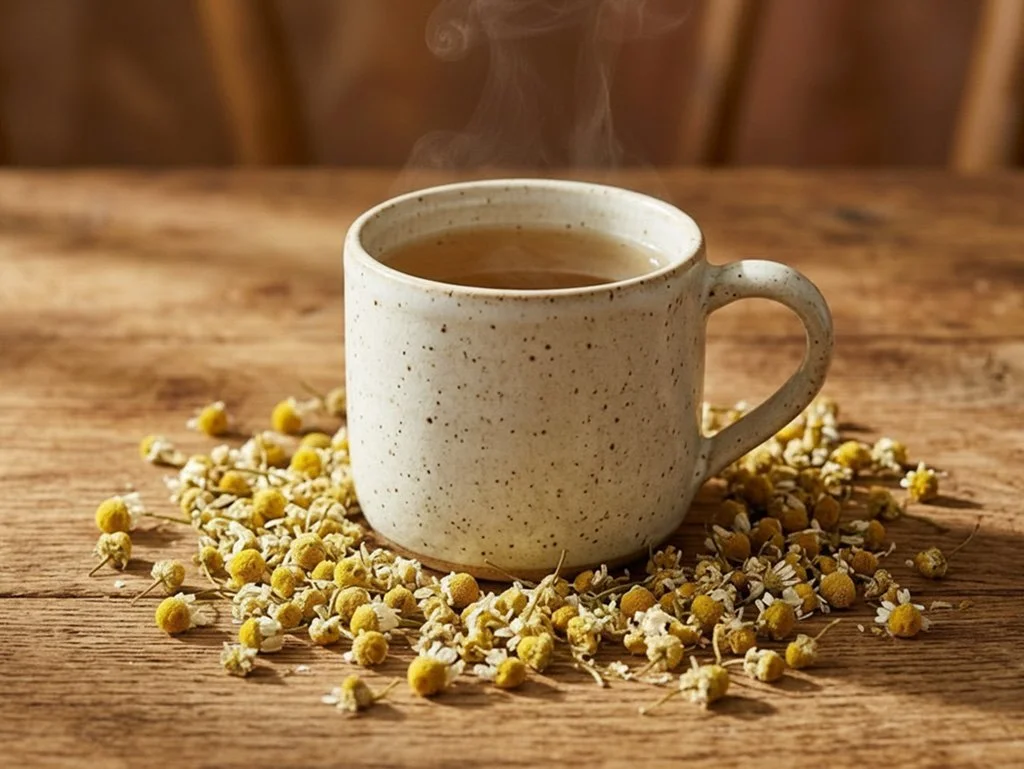
Chamomile tea is an ancient herbal infusion brewed from dried, daisy-like flowers. It has been used for centuries as a natural remedy to quiet a racing mind and soothe an upset stomach.
The real magic of chamomile comes from a unique antioxidant called apigenin. When you drink chamomile tea, the apigenin molecules travel to your brain and bind directly to specific receptors that help reduce anxiety and quiet the central nervous system. This makes chamomile a brilliant, non-habit-forming sleep aid that gently signals your body it is time to rest at the end of a stressful day.
🍵 OUR EXPERT OPINION
"When switching from standard loose leaf tea to matcha, your palate has to adjust to drinking the actual leaf rather than an infusion. If you find the earthy umami notes too intense at first, we always recommend starting with a high-quality Ceremonial grade prepared as a latte with oat milk. It naturally softens the transition without completely stripping away the tea's authentic, complex character."
7. Hibiscus Tea: The Tart Powerhouse for Blood Pressure & Heart Health
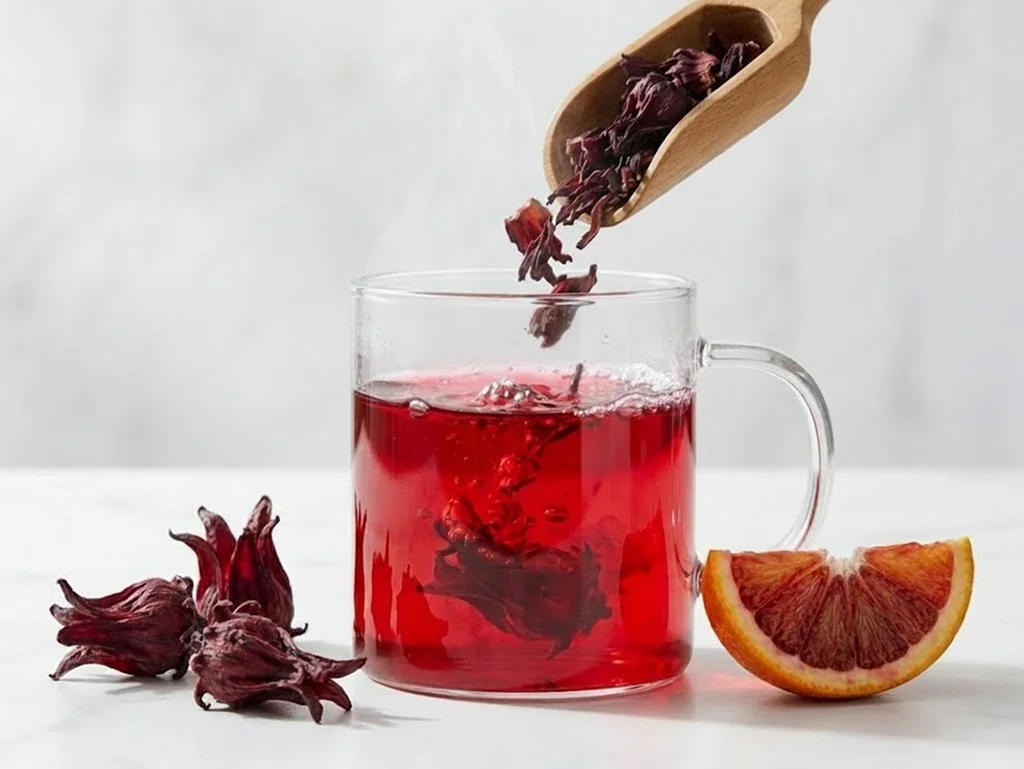
Hibiscus tea is brewed from the deep crimson calyces of the Hibiscus sabdariffa flower. It brews into a brilliant, ruby-red liquid that carries a wonderfully tart, cranberry-like flavor profile that works beautifully hot or iced.
Hibiscus is an absolute powerhouse when it comes to cardiovascular wellness. The flower petals are heavily packed with vitamin C and anthocyanins—the exact same deep-red antioxidants found in premium superfoods like wild blueberries and pomegranates. As documented in the comprehensive WebMD review of oolong and wellness teas, regular intake of these specific plant pigments helps lower systemic inflammation, supports healthy blood pressure levels, and aids in lipid management.
8. Peppermint Tea: The Ultimate Digestive and Bloating Rescue
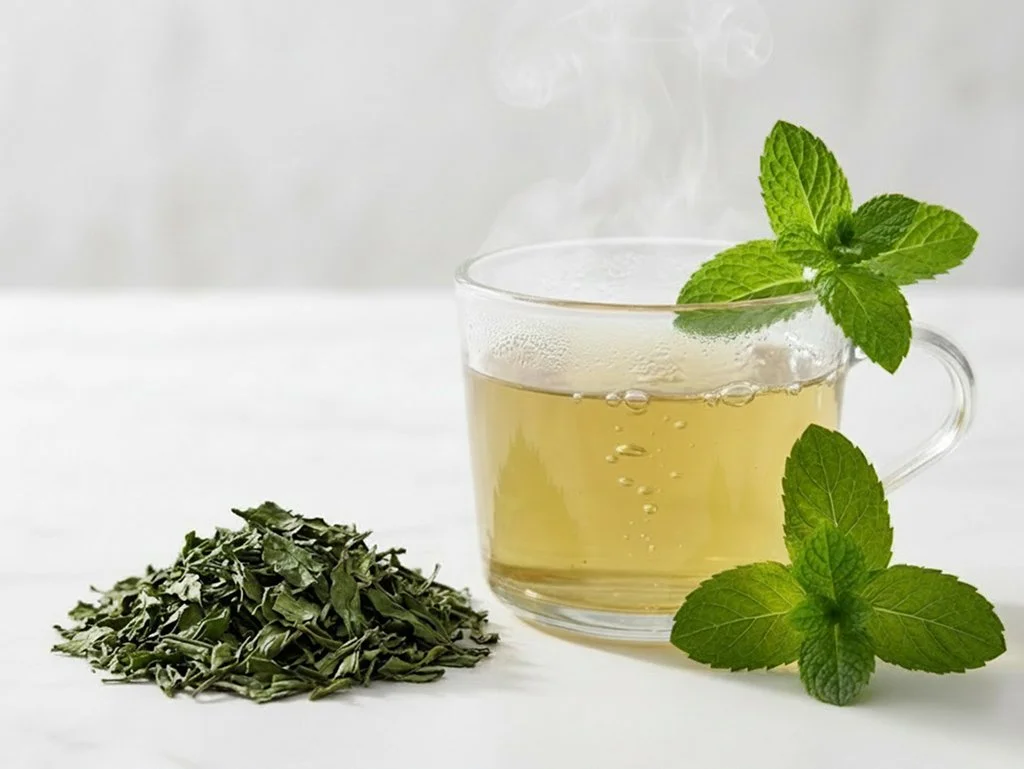
Peppermint tea is a intensely refreshing infusion made from the leaves of the Mentha piperita plant. It is widely loved for its crisp, cooling aroma and its immediate ability to clear the sinuses.
The primary active compound in peppermint tea is menthol, a natural essential oil that possesses powerful anti-spasmodic properties. When menthol enters your digestive tract, it acts as a gentle relaxant on the smooth muscle tissues of your stomach and intestines. If you suffer from bloating, painful gas, or general digestive discomfort after a large dinner, a hot mug of loose leaf peppermint tea helps release trapped gas and speeds up natural digestion.
9. Ginger Tea: The Anti-Inflammatory Solution for Nausea and Immunity
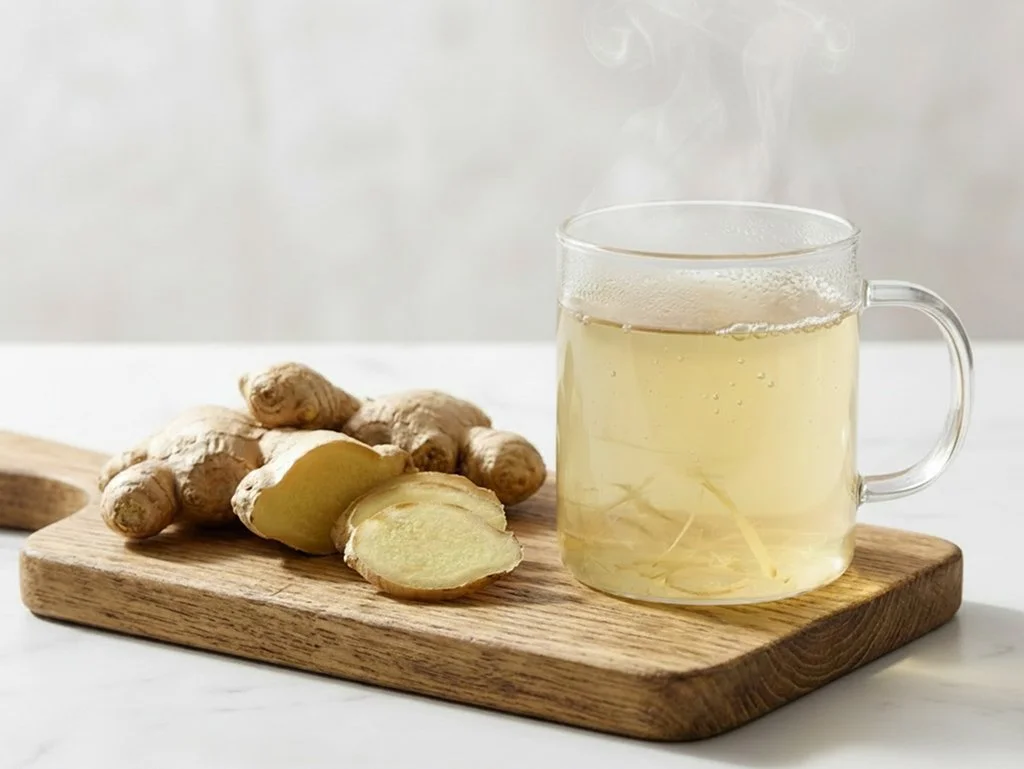
Ginger tea is a spicy, warming beverage prepared by steeping the freshly sliced or dried root of the ginger plant. It has an assertive flavor that instantly warms the throat and chest.
Ginger is rich in a highly bioactive compound called gingerol. Gingerol is a fierce anti-inflammatory agent that works at a cellular level to inhibit the pathways that trigger chronic inflammation in the body. Furthermore, gingerol interacts directly with serotonin receptors in your gut to effectively block the signals that cause nausea, making it the perfect natural remedy for motion sickness, morning sickness, or recovering from a winter cold.
10. Rooibos Tea: The Caffeine-Free Metabolic Protector
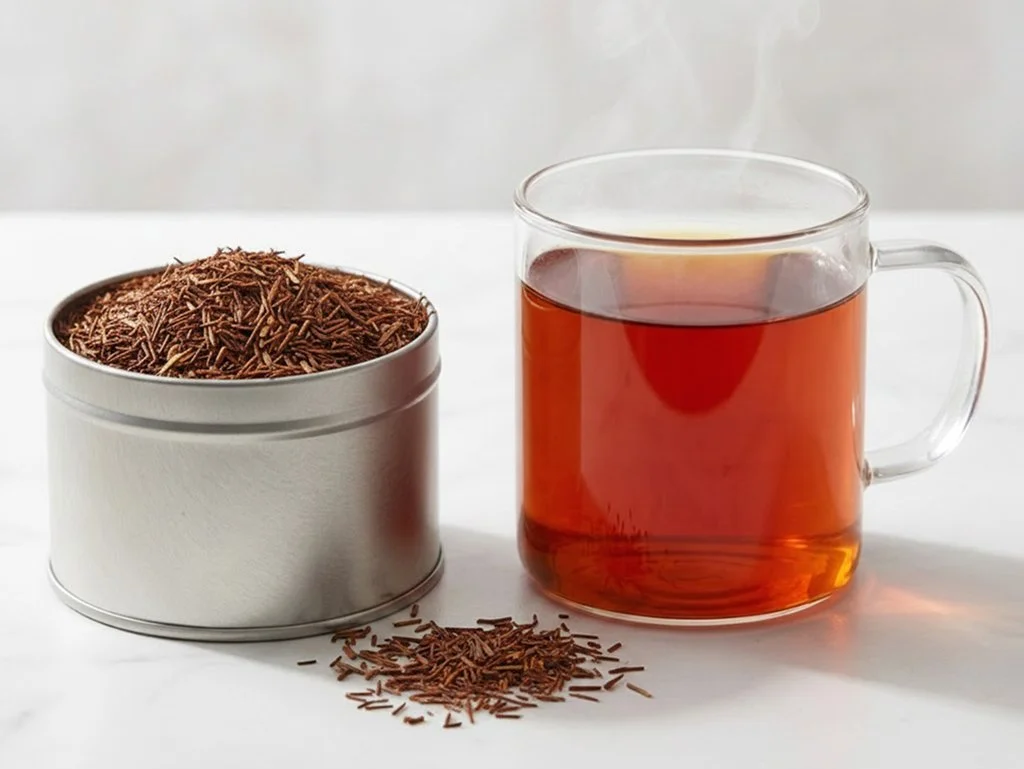
Rooibos tea, also known as "Red Bush tea," comes exclusively from the mountainous Cederberg region of South Africa. It features a naturally sweet, woody, and slightly nutty flavor profile that carries enough body to easily substitute for traditional black tea without any bitterness or caffeine.
Rooibos is uniquely famous for containing a rare, highly stable antioxidant called aspalathin. Aspalathin is found almost nowhere else in the natural world. Clinical studies suggest that aspalathin helps balance blood sugar levels and improves glucose tolerance by helping muscle cells utilize energy more efficiently. This makes rooibos an exceptional daily drink for long-term metabolic support.
Expert Brewing Hacks to Maximize Your Antiox Tea Yield
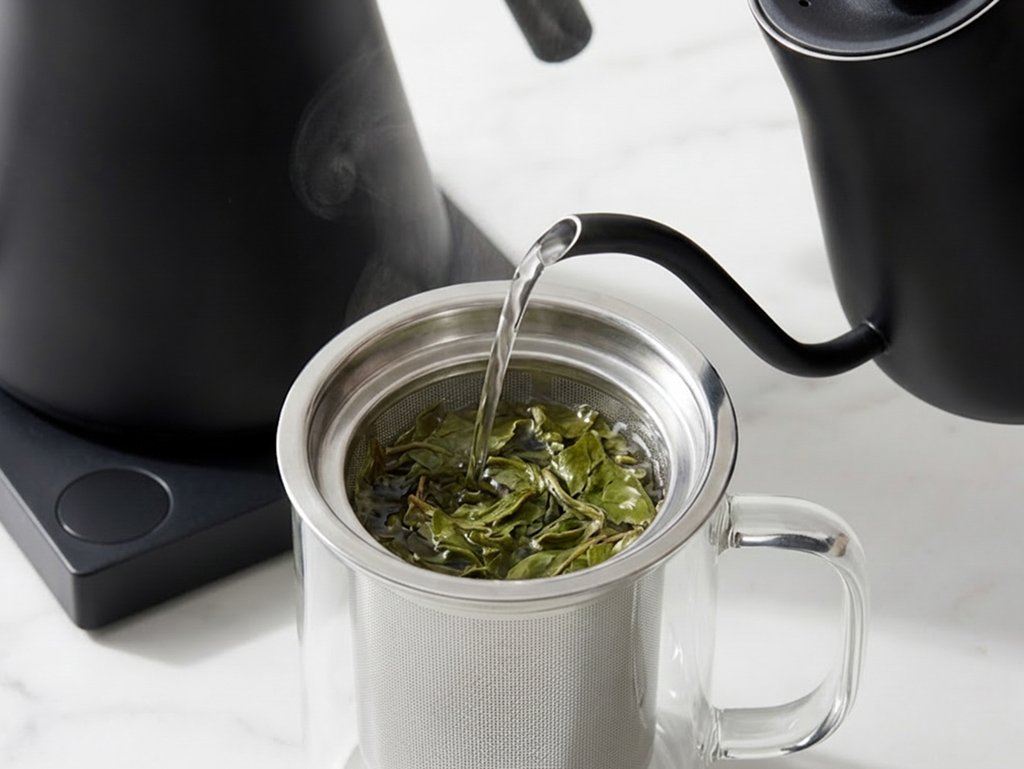
Buying a premium tea is only half the battle. If you prepare it incorrectly, you can easily destroy the health properties before the liquid ever reaches your lips.
How Loose Leaf Modifies Your Antioxidant Intake
If you want to maximize your daily antioxidant intake, you should step away from mass-market paper tea bags. Standard tea bags are filled with "fannings" and "dust"—the broken, microscopic leftovers left behind after premium whole leaves are harvested. Because this dust has a massive surface area exposed to the air, its volatile essential oils and active antioxidants evaporate rapidly while sitting on grocery store shelves.
Furthermore, many commercial tea bags are held together using synthetic plastic glues or heat-resistant fibers that can leach unwanted compounds into your drink when heated.
Loose leaf tea consists of intact, whole leaves that act as natural protective capsules, locking in the essential oils, amino acids, and vital antioxidants until the exact moment they hit your hot water. When whole leaves steep, they absorb water and gracefully expand to three or four times their dry size, allowing the water to gently extract the complete, undamaged nutrient profile of the plant.
Water Temperature: The EGCG Scalding Mistake
The single biggest mistake people make in their kitchens is pouring boiling water over delicate green and white tea leaves. Water boils at 212°F. While robust black teas and herbal roots require this aggressive heat to break down their tough fibers, delicate unoxidized leaves cannot handle it.
Pouring boiling water onto green or white tea physically scalds the leaves, causing the highly sensitive catechin molecules (like EGCG) to thermally degrade and break apart. This leaves you with a ruined, highly bitter, and nutrient-depleted drink.
To preserve the healthy compounds, always let your water cool down to between 160°F and 175°F before pouring it over your green tea or matcha powder.
FAQS
-
If you want the absolute highest antioxidant yield per ounce, Matcha Green Tea is the undisputed winner. Because it is a stone-ground whole leaf powder, you consume the actual leaf tissue rather than a filtered infusion, delivering a significantly higher concentration of EGCG compared to any other variety.
-
Research suggests that dairy milk contains a group of proteins called caseins that can temporarily bind to the antioxidants in tea, slightly slowing down how quickly your body absorbs them. If you prefer a creamy latte format, switching to a high-quality plant-based milk like oat milk or almond milk will help keep the antioxidants completely free and bioavailable.
-
Absolutely. Matcha has a deeply rich, umami-forward profile that can surprise your palate if you are used to sweet drinks. Starting with a high-quality ceremonial grade prepared as a latte with a touch of raw honey or oat milk is an excellent way to ease your palate into the flavor profile before moving to traditional preparation.