If you live in Colorado like I do, you probably start a lot of mornings with a steaming mug while looking out at the mountains. Over the years, I have watched more and more people here make the switch from tea bags to loose leaf, whether it is because they are chasing better flavor, worrying about microplastics, or simply wanting less waste in their daily routine. The question I get asked most often by friends, customers at local cafes, and even baristas is pretty simple: is loose leaf tea really that much better than tea bags, or is it just hype?
I have brewed thousands of cups of both over the last decade, and the answer is a clear yes, but with some important nuances. Today, I want to walk you through the real differences when it comes to flavor, quality, health, sustainability, and even cost. By the end, you will know exactly whether making the switch makes sense for you or your cafe.
If you are completely new to the whole idea, I recommend starting with a deeper dive into the basics. You can know more about loose leaf tea in my complete beginner guide that covers everything from leaf grades to storage tips.
What Are Tea Bags and Loose Leaf Tea, Anyway?
Let’s start with the fundamentals so we are all on the same page.
A tea bag is exactly what it sounds like: a small porous pouch (usually paper, nylon, or silk) filled with broken tea leaves, often referred to in the industry as “fannings” or “dust.” These are the tiniest fragments left over after whole leaves are sorted for premium grades. You will find three main styles on shelves today:
Traditional flat paper bags (the classic Lipton style)
Pyramid tea bags (taller, usually made of nylon or plant-based PLA plastic, marketed as “room to breathe”)
Luxury silk sachets (larger, often filled with bigger leaf pieces)
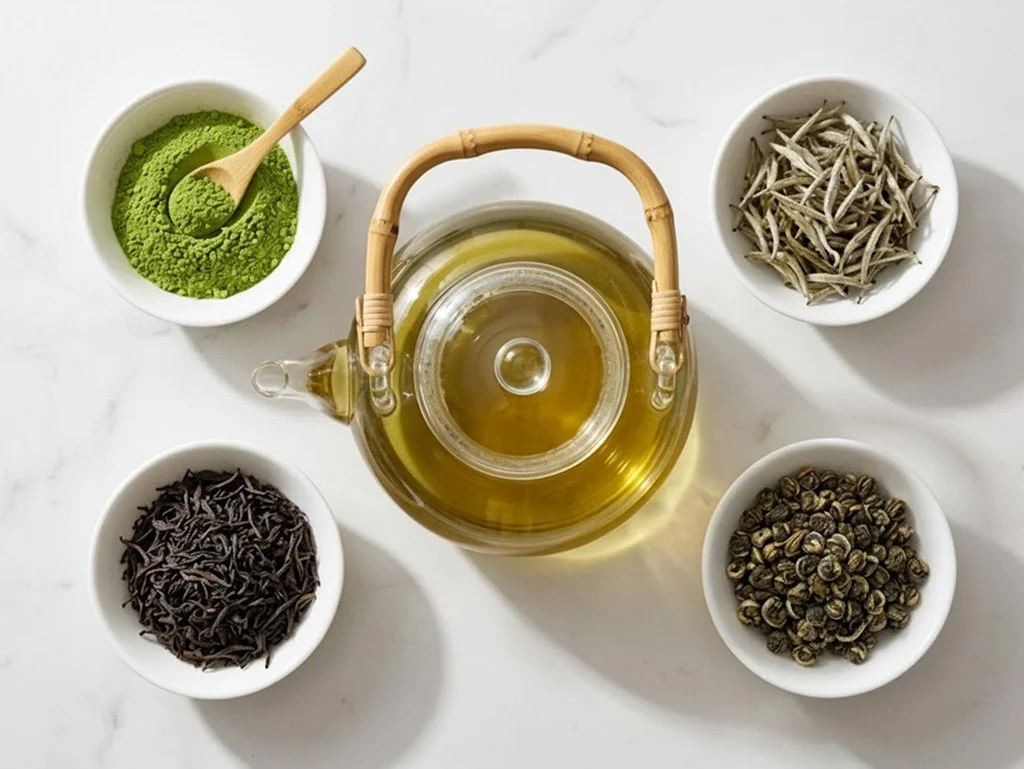
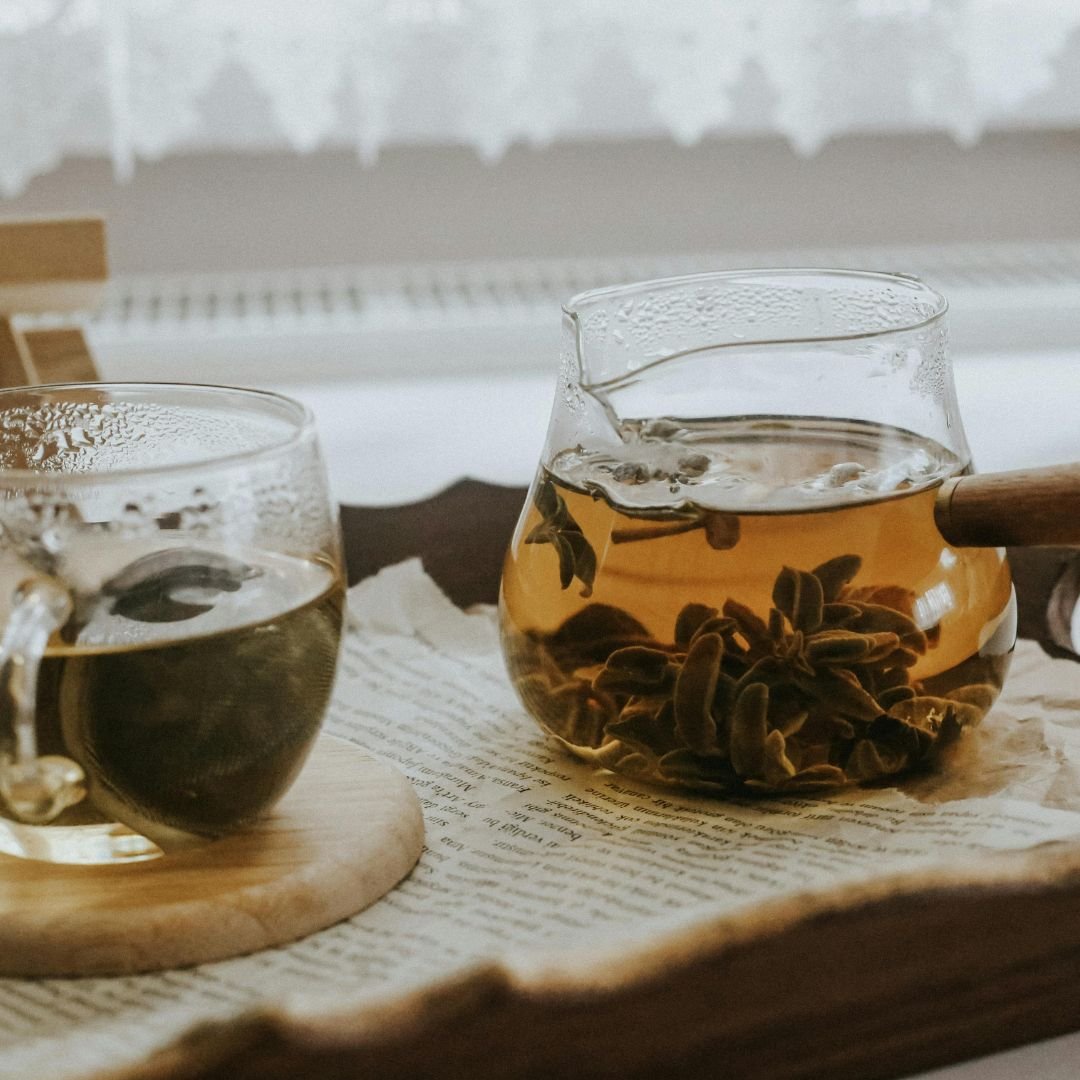
Loose leaf tea, on the other hand, consists of whole or largely unbroken leaves that have been minimally processed after harvest. You measure it yourself and brew it in a pot, an infuser basket, or even a French press.
Here is a quick visual comparison:
| Aspect | Loose Leaf Tea | Tea Bags (standard) | Pyramid / Sachet Bags |
|---|---|---|---|
| Leaf size | Whole or large pieces | Dust and fannings | Slightly larger broken pieces |
| Flavor release | Gradual, layered | Fast, often one-dimensional | Better than flat, still limited |
| Re-steep potential | 2–6 times | Usually once | 1–2 times at best |
| Typical price per cup | 15–40 ¢ (when re-steeped) | 8–25 ¢ | 30–80 ¢ |
Flavor: Why Loose Leaf Almost Always Wins
Flavor is where the gap becomes obvious the moment you taste them side by side.
Whole leaves contain more essential oils because they have not been crushed or broken until the moment hot water hits them. When you steep loose leaf, those oils release slowly, giving you layers of taste that evolve with each minute and each additional infusion. A high-quality Darjeeling might start with floral notes, shift to muscat grape in the middle, and finish with a crisp astringency.
Tea bags, especially the inexpensive ones, are filled with the leftovers. The leaves were broken weeks or months ago, so most volatile compounds have already evaporated. The result is a flatter, sometimes bitter cup because the tiny particles over-extract quickly.
Even pyramid tea bags, which brands love to call “full-leaf,” rarely contain truly whole leaves. They are usually broken pieces that fit the marketing story, but still lack the complexity of real loose leaf. In blind taste tests I have run at local cafes here in Colorado, nine out of ten people pick loose leaf when both are brewed properly.
Tea Quality and Health Considerations
Quality and health go hand in hand with leaf size.
Whole leaves retain far more antioxidants (polyphenols, catechins, theaflavins) because less surface area has been exposed to oxygen before brewing. Studies consistently show loose leaf green and white teas can have 20–50% higher antioxidant levels than their bagged counterparts made from the same harvest.
Then there is the question everyone started asking a few years ago: are tea bags bad for you?
Many traditional paper bags are sealed with polypropylene plastic or contain microplastics in nylon pyramids. When you pour near-boiling water over them, billions of plastic particles can leach into your cup. A 2019 McGill University study found that one plastic tea bag releases about 11.6 billion microplastics and 3.1 billion nanoplastics. Plant-based PLA pyramids are better, but they still require industrial composting facilities most of us do not have.
Loose leaf avoids all of that. You control exactly what touches your water: leaves, maybe a metal infuser, nothing else.
Brewing Methods and the Joy of Control
Tea bags are undeniably convenient. Rip, dunk, done.
Loose leaf asks for maybe sixty extra seconds of effort, but it rewards you with total control. You decide the leaf-to-water ratio, water temperature, and steeping time. Want a light morning sencha? Use 160 °F water and two minutes. Craving a strong masala chai? Crank it to boiling and give it five.
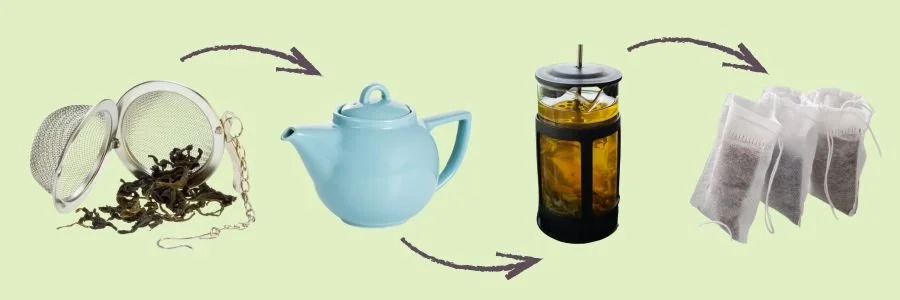
The tools are simpler than most people think:
A basic mesh basket infuser ($8–15) fits any mug.
A glass teapot with built-in strainer looks beautiful on a cafe counter.
A French press works wonderfully and doubles for coffee.
Disposable paper filters exist if you hate cleaning.
Once you have a good loose leaf tea infuser, the process becomes second nature. I keep one in my travel mug for hikes and another at my desk.
Sustainability and Environmental Impact
This is the part that hits home for many Colorado readers.
The average American uses about 300 tea bags a year. Most end up in landfills where the plastic components take centuries to break down. Even “biodegradable” paper bags often have plastic seals that do not break down in home compost.
Loose leaf, when paired with a reusable infuser, produces almost zero waste. You buy it in recyclable or compostable packaging, brew it for days if it is an oolong or puerh, and toss the spent leaves into your garden or compost bin. Those leaves actually improve soil structure.
A growing number of cafes around Boulder and Denver have already ditched single-use bags entirely. Customers love seeing the leaves unfurl in glass pots, and owners save money on inventory while shrinking their trash output.
Cost Considerations Most People Get Wrong
At first glance, a $4 box of 20 tea bags looks cheaper than a $18 tin of loose leaf. But run the real numbers.
A typical 100-gram tin of decent loose leaf contains enough for 40–50 cups when you re-steep, bringing the cost down to 35–45 cents per serving. Many oolongs and white teas give you three to six infusions, dropping the price to pennies.
Tea bags rarely get re-used, and the premium pyramid sachets often cost 50–90 cents per bag. Over a year, switching to loose leaf usually saves money and gives you dramatically better flavor.
Which Should You Choose?
Here is a simple decision guide:
Choose loose leaf if you:
Care about nuanced flavor and aroma
Want maximum antioxidants and no microplastics
Already compost or want to reduce waste
Brew more than one cup at a time (office, family, cafe)
Enjoy experimenting with tea varieties
Stick with tea bags if you:
Need absolute grab-and-go convenience every single time
Only drink tea occasionally
Are traveling and do not want to carry tools
Most people I know end up in a hybrid place. They keep a box of decent pyramid bags for emergencies, but reach for loose leaf 90% of the time.
If you are ready to explore some of the best loose leaf tea options available right now, start with a small sampler pack. Your taste buds will notice the difference immediately.
Conclusion
The difference between loose leaf tea vs tea bags is not just marketing. It is about leaf integrity, flavor depth, health impact, waste reduction, and even long-term cost. Here in Colorado, where we tend to care about both quality and the planet, loose leaf has become the default for serious tea drinkers and forward-thinking cafes.
Give it a try for two weeks. Brew the same tea side by side, one in a bag and one loose. I am willing to bet you will never look at those little paper pouches the same way again.
Ready to stock your pantry or your cafe with beautiful whole-leaf options? You can buy loose leaf tea in any quantity, from sampler sizes to bulk for businesses.
FAQs
-
Many plastic or nylon tea bags (including some pyramid styles) release billions of micro- and nano plastics when steeped in hot water. Switching to loose leaf with a metal or glass infuser eliminates this concern entirely.
-
Caffeine is roughly the same for the same tea variety, but loose leaf often feels smoother because you control steeping time and avoid over-extraction that can make bagged tea taste harsh.
-
They are usually a step up because they contain slightly larger leaf pieces and allow more water circulation, but they still fall short of true loose leaf in flavor complexity and often contain plastic.