Tea has been a beloved beverage for thousands of years, steeped in tradition and culture. Yet, many people still rely on tea bags, unaware of the extraordinary experience offered by loose leaf tea. Loose leaf tea represents a higher-quality, fresher, and more flavorful approach to tea drinking. From its historical roots to modern brewing techniques, understanding loose leaf tea can transform the way you enjoy this timeless beverage.
In this comprehensive guide, we’ll explore what loose leaf tea is, its history, how it compares to tea bags, its benefits, brewing methods, storage tips, and where to source the best leaves. By the end of this guide, you’ll not only know how to brew a perfect cup but also understand why loose leaf tea is a choice that tea enthusiasts swear by.
Why Loose Leaf Tea Is the Game-Changer Your Cup Has Been Waiting For
Tea lovers often overlook the difference between a bag of pre-packaged tea and a handful of loose leaves. While tea bags offer convenience, they usually contain broken leaves or dust, which can compromise flavor and aroma. Loose leaf tea, in contrast, consists of whole or partially broken leaves that preserve essential oils and provide a richer, more nuanced flavor.
The quality difference is immediately noticeable. When steeped correctly, loose leaf tea produces a vibrant, complex cup that evolves in flavor as you sip. This is why tea enthusiasts consider loose leaf tea the gold standard for both taste and health benefits. It’s more than just a drink; it’s a sensory experience.
If you are just starting your journey into premium tea, discovering the best loose leaf tea shop can be a game-changer. Shops specializing in high-quality loose leaf teas provide curated selections, freshness guarantees, and guidance on brewing. Exploring such a shop not only expands your taste palette but also connects you to the world of tea culture.
Loose leaf tea is also more sustainable than bagged tea. Many tea bags contain microplastics in the filter, which not only impacts the environment but can also release tiny particles into your cup. Choosing loose leaf tea eliminates this concern and encourages mindful consumption.
Loose Leaf Tea 101: The True Heart of a Perfect Brew
So, what exactly is loose leaf tea? In simple terms, it is tea in its most natural form: whole leaves, partially broken leaves, or leaf fragments, typically sourced from Camellia sinensis plants. Unlike tea bags, which often contain fannings or dust, loose leaf tea retains its full flavor profile and essential oils.
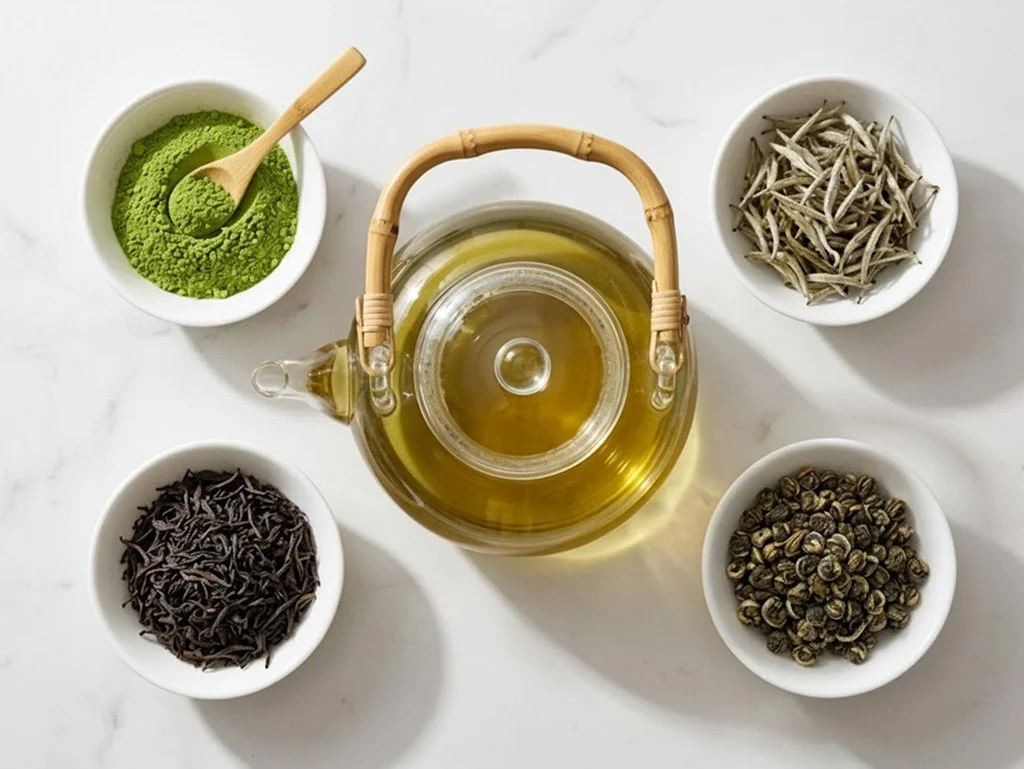
Loose leaf tea can range from small, tightly rolled leaves to large, tender leaves that unfurl dramatically when steeped. The difference in leaf size, processing method, and oxidation level affects flavor, aroma, and caffeine content.
When purchasing loose leaf tea, you will notice the vibrant colors and textures of the leaves. These are indicators of freshness and quality. Higher-quality teas often offer multiple infusions, allowing you to steep the same leaves several times without losing flavor.
A little tip for beginners is to examine the tea visually before brewing. Look for whole, unbroken leaves with a fresh aroma. This often signals better flavor and aroma. Avoid teas with excessive dust or uniform, tiny pieces, which are typical in mass-produced tea bags.
From Ancient China to Your Teacup: The Story of Loose Leaf Tea

Loose leaf tea has a rich history dating back thousands of years. The earliest records trace tea consumption to ancient China, where emperors and scholars valued tea for its medicinal properties and flavor. Tea preparation was often ritualized, emphasizing the sensory experience of sight, smell, and taste.
Over centuries, tea spread across Asia, adapting to local customs and brewing methods. When tea arrived in Europe, it became a symbol of sophistication and social gathering. Loose leaf tea maintained its popularity among connoisseurs, even as mass-produced tea bags became widely available in the 20th century.
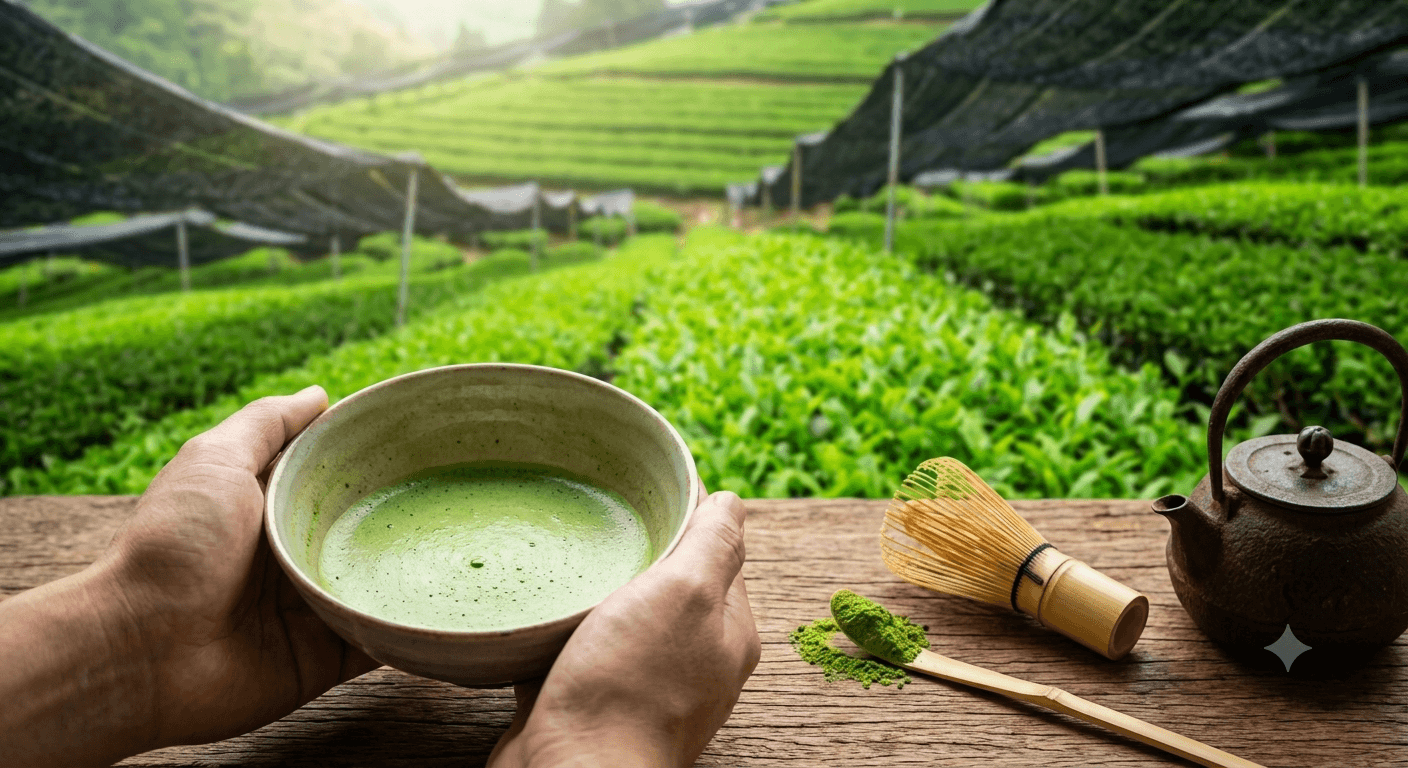
In Japan, for example, the tea ceremony known as chanoyu celebrates the art of brewing, serving, and appreciating tea, often using premium loose leaves. Similarly, in India, loose black teas like Assam and Darjeeling have developed distinct profiles celebrated worldwide. Today, loose leaf tea is enjoying a resurgence as people rediscover the joy of fresh, aromatic, and authentic tea experiences.
Tea Bags vs Loose Leaf Tea: Why One Simply Tastes Better
When comparing loose leaf tea vs tea bags, it’s clear that the convenience of tea bags has made them a household staple, but there is a significant difference in quality. Tea bags often contain the smallest fragments of tea leaves, known as dust or fannings. These small particles infuse quickly but often produce a flat, less aromatic cup.
Loose leaf tea, by contrast, allows leaves to fully expand during brewing, releasing essential oils and complex flavors. You gain more control over steeping time, water temperature, and leaf quantity, all of which affect the final taste.
Sustainability is another factor. Loose leaf tea usually comes in minimal or recyclable packaging, reducing waste compared to individually wrapped tea bags. Flavor, aroma, and eco-friendliness make loose leaf tea the preferred choice for those seeking a richer tea experience.
Some tea lovers also report that loose leaf tea provides a more satisfying mouthfeel, with a smoother body and lingering finish that tea bags cannot replicate. This subtle richness enhances both simple daily cups and special tea ceremonies.
From Green to Oolong: Exploring the Flavors of Loose Leaf Tea
Loose leaf tea comes in various types, each with unique characteristics:
Green Tea: Light, grassy, and subtly sweet. It undergoes minimal oxidation, preserving antioxidants and natural flavors. Popular varieties include Sencha, Dragonwell, and Gunpowder. Green teas are best steeped at lower temperatures to avoid bitterness.
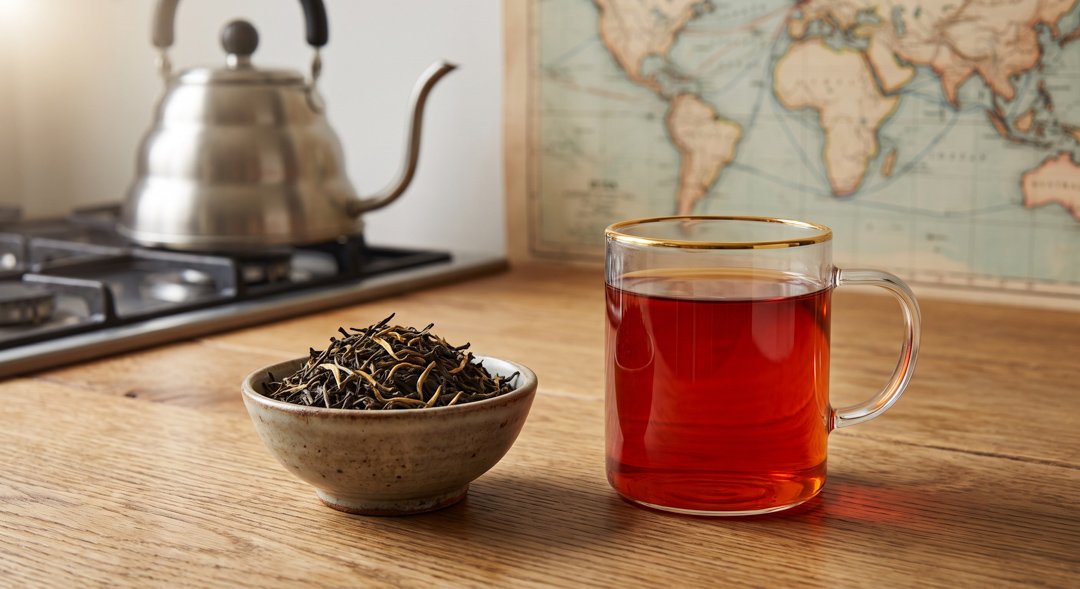
Black Tea: Fully oxidized, producing bold, robust flavors. It’s perfect for those who enjoy a stronger, caffeine-forward cup. Famous types include Darjeeling, Assam, and Ceylon. Black teas can often be enjoyed with milk, honey, or spices.
Oolong Tea: Partially oxidized, striking a balance between green and black tea. It offers complex floral and fruity notes. Oolong teas such as Tie Guan Yin or Wuyi Rock produce multiple infusions, with flavor evolving with each steep.
White Tea: Lightly processed, delicate, and mildly sweet. It has low caffeine content and subtle floral aromas. White tea is perfect for beginners looking for a gentle introduction to loose leaf tea.
Herbal Tea: Made from flowers, fruits, or herbs rather than Camellia sinensis leaves. Herbal teas are naturally caffeine-free and offer a wide range of flavors and health benefits. Popular examples include chamomile, hibiscus, and peppermint.
Each type has its own brewing method, water temperature, and steeping time. Exploring the different types of tea and sampling various options is the best way to discover your preferred flavor profiles.
If you are wondering where to buy loose leaf tea, reputable online and local shops offer high-quality leaves, curated collections, and detailed brewing guidance. Choosing trusted vendors ensures you get fresh, flavorful tea while exploring rare or seasonal varieties.
Sip Smarter: The Surprising Benefits of Loose Leaf Tea
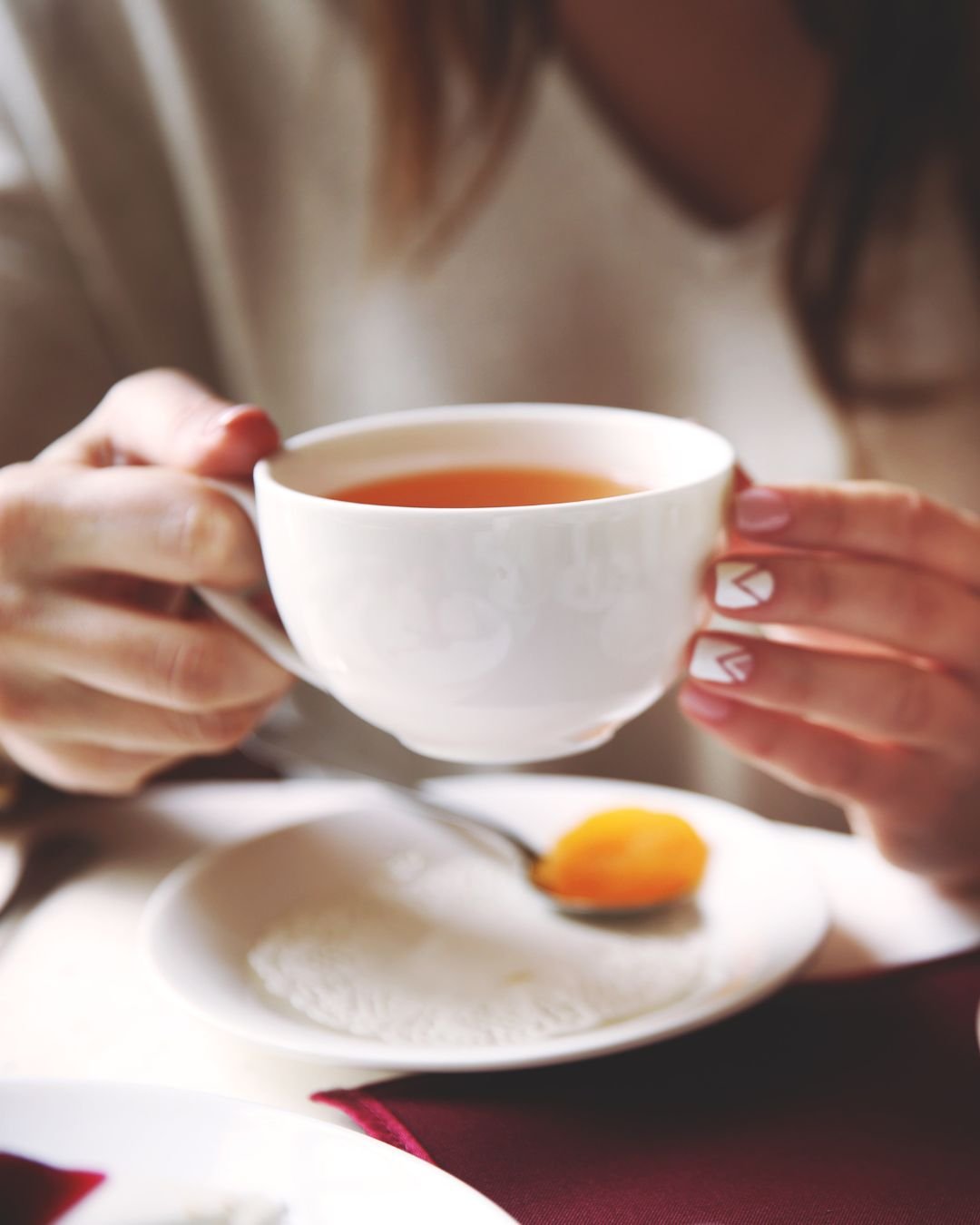
Loose leaf tea isn’t just about taste it offers numerous benefits that make it a superior choice for both casual drinkers and tea enthusiasts alike.
Better Flavor and Aroma:
Whole leaves retain their natural essential oils, which contribute to a richer, more complex flavor and a stronger, more inviting aroma. Each cup delivers subtle notes that often go unnoticed in tea bags, providing a fuller sensory experience.
Multiple Infusions:
High-quality loose leaf teas can often be steeped several times, allowing you to enjoy multiple cups from the same leaves. Each infusion can reveal new flavors and nuances, especially in teas like oolong or white, giving you a more varied and enjoyable tea experience.
Health Benefits:
Loose leaf tea is packed with antioxidants and polyphenols, compounds linked to supporting heart health, boosting metabolism, and reducing inflammation. Regular consumption may also help lower stress levels, improve focus, and enhance mental clarity. Herbal and green teas, in particular, offer additional calming or energizing effects, depending on the type.
Eco-Friendly:
Choosing loose leaf tea reduces the environmental impact associated with individually packaged tea bags and microplastics. Many loose leaf teas are also ethically sourced or organic, supporting sustainable farming practices. This makes your daily cup not only a healthier choice for you but also a more responsible choice for the planet.
The combination of superior flavor, multiple infusions, health benefits, and eco-consciousness makes loose leaf tea an increasingly popular choice for modern tea lovers. Whether you’re exploring new flavors or cultivating a mindful daily ritual, loose leaf tea offers an experience that goes beyond a simple beverage.
Brew It Right: Step-by-Step Loose Leaf Tea Mastery
Brewing loose leaf tea is a rewarding process. Follow these steps to ensure a perfect cup:
Choose Your Tea: Pick a high-quality loose leaf tea suited to your taste preferences.
Measure Leaves: Typically, one teaspoon per cup, but this can vary depending on tea type.
Heat Water: Use the recommended temperature; green teas prefer cooler water, black teas require near-boiling.
Steep: Follow suggested steep times for optimal flavor. Oversteeping can create bitterness.
Optional Infuser: While not required, an infuser makes cleanup easier. You can also steep leaves directly in a pot and strain afterward.
Experimentation is part of the fun. Different leaf quantities, water temperatures, or steeping times can highlight unique flavors in the same tea.
For a more convenient start, many premium loose leaf tea shops provide sets with instructions, making it easier to master brewing. Whether you’re preparing a solo cup or hosting friends, taking the time to brew properly elevates your tea experience.
Lock in Flavor: The Ultimate Guide to Storing Loose Leaf Tea
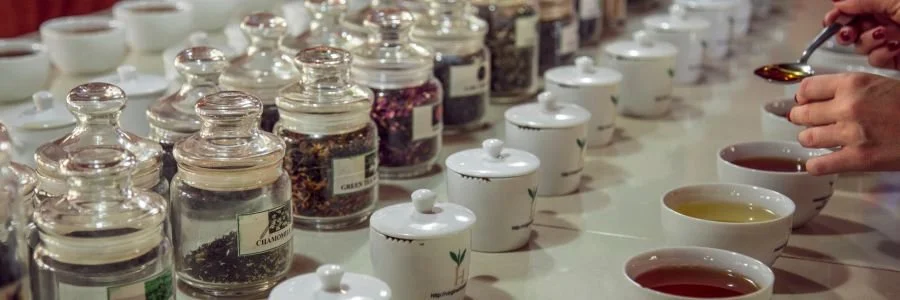
Proper storage is essential to preserve the quality, aroma, and flavor of loose leaf tea. Exposure to light, air, moisture, and strong odors can quickly degrade the leaves, resulting in a stale or flat cup.
Airtight Containers: Store your tea in sealed jars, tins, or vacuum-sealed pouches to prevent air from oxidizing the leaves. Opaque containers are ideal to block sunlight.
Cool, Dark Places: Keep tea away from heat and direct light. A pantry or cupboard that stays at a stable, cool temperature is perfect.
Avoid Moisture: Tea easily absorbs humidity, which can lead to mold or loss of flavor. Never store tea in the fridge or near damp areas.
Separate from Strong Odors: Keep tea away from coffee, spices, or cleaning products to preserve its natural aroma.
Portioning for Longevity: For long-term freshness, divide tea into smaller containers. Each opening exposes leaves to air, so smaller portions help maintain flavor over time.
By following these simple storage tips, you ensure every cup of loose leaf tea remains fresh, vibrant, and full of aroma.
Tea Treasure Hunt: Finding the Best Loose Leaf Tea Near You
Finding quality tea requires a discerning eye. Local specialty shops and online stores offer curated selections, often with detailed origin and harvest information. When searching for where to buy loose leaf tea, explore reputable online tea shops with fresh, ethically sourced leaves.
Purchasing from trusted sources guarantees the best flavor and supports sustainable practices. A high-quality tea selection provides an opportunity to explore new varieties, seasonal blends, and specialty teas that might not be available in conventional grocery stores.
Whether you choose a cozy local shop or an online retailer, sourcing your tea from reliable vendors is the first step toward a superior tea experience.
Start Your Loose Leaf Tea Journey Today
Loose leaf tea is more than a drink; it's drink it’s a ritual, a sensory experience, and a path to better flavor and wellness. From understanding its history and types to mastering brewing and storage techniques, embracing loose leaf tea opens the door to a richer, more rewarding tea experience.
By exploring quality selections and learning the art of brewing, you can elevate your daily tea ritual into something extraordinary. Visit the best loose leaf tea shop to begin your journey and discover the world of flavor and aroma that awaits.
FAQs
-
Loose leaf tea typically stays fresh for 6–12 months if stored in airtight containers away from heat, light, and moisture. High-quality teas may retain flavor even longer, especially when properly sealed.
-
Yes. Many high-quality loose leaf teas can be steeped multiple times. Each infusion can reveal different flavor notes, particularly in oolong and white teas.
-
No. While infusers, teapots, and strainers make brewing easier, loose leaf tea can be steeped directly in hot water and strained afterward.