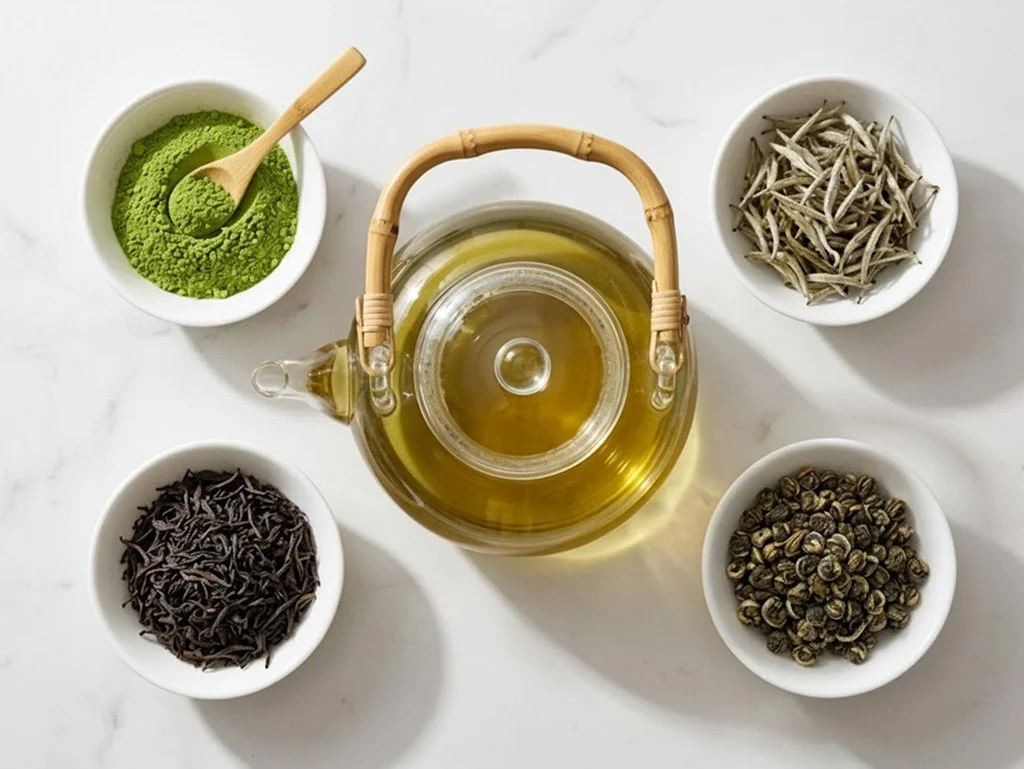
Loose-leaf tea comes in several distinct varieties green, black, oolong, white, and herbal, each defined by how the leaves from the tea plant are processed, resulting in unique flavour profiles and brewing characteristics.
As a tea enthusiast based in Colorado, I've spent years exploring the world of teas, from sourcing fresh batches for local cafes to brewing the perfect cup at home on a crisp mountain morning. Whether you're a dedicated tea lover experimenting with new blends, a cafe owner looking to expand your menu, or a buyer stocking up for your business, understanding the different types of teas can transform your experience. This guide aims to break it down simply, helping you navigate the kinds of tea available in loose leaf form and find what suits your taste or your customers' preferences best.
If you're new to this, starting with the basics can make all the difference. For a solid foundation, check out this resource on what is loose leaf tea. It covers everything from why loose leaves outperform bagged options to getting started with your first brew. Loose leaf allows the flavors of tea to unfold naturally, offering a richer taste that's hard to beat.
What Defines a Type of Loose Leaf Tea?

At its core, what sets apart the different types of tea comes down to processing. Most true teas come from the Camellia sinensis plant, a shrub native to regions like China and India. The leaves are harvested, then treated in ways that influence their color, taste, and even caffeine levels. Oxidation is key here, it's a natural process where enzymes in the leaves react with oxygen, changing the flavor from fresh and green to deeper and more robust.
For instance, green varieties skip heavy oxidation to keep their light, vegetal notes, while black ones go through full oxidation for that bold kick. Loose leaf stands out because the whole leaves retain more essential oils and nuances compared to crushed bits in bags. This means better quality and the chance for multiple infusions from the same batch. In Colorado, where we value fresh, high-altitude ingredients, opting for loose leaf ensures you're getting the finest loose leaf tea without fillers or dust.
Herbal options, though not from the same plant, add variety with their caffeine-free appeal, drawing from flowers, roots, and herbs. Knowing these differences helps you pick based on mood, health goals, or menu needs like a soothing herbal for evening cafe patrons or a sturdy black for morning rushes.
Black Tea – The Bold Classic
Black tea is often the go-to for many, known for its strong, malty profile that pairs well with milk or sugar. It's fully oxidized, which gives it that dark color and hearty taste. The process involves withering the leaves, rolling them to release juices, then letting them oxidize fully before drying. Popular varieties include Ceylon from Sri Lanka, with its brisk, citrusy edge, or Assam from India, offering a rich, malty depth ideal for breakfast blends.
In loose leaf form, black tea shines because the larger leaves brew a smoother cup without bitterness. For cafe buyers in Colorado, this type holds up great in lattes or iced teas, attracting customers who want something familiar yet premium. Think of lapsang souchong, smoked over pine fires for a campfire-like smokiness—perfect for our outdoor-loving crowd. It's versatile, with loose leaf flavors ranging from plain to infused with bergamot for Earl Grey. If you're stocking a shop, consider regional sourcing; some blacks from high-elevation areas mimic our Rocky Mountain freshness.
Brewing tip: Use boiling water and steep for 3-5 minutes to avoid over-extraction. This results in a cup that's energizing, with moderate caffeine to kickstart the day.
Green Tea – Light, Fresh & Versatile
Shifting to something lighter, green tea captures the essence of the leaf in its most natural state. To make it, harvesters quickly heat the leaves often by steaming or pan-firing to halt oxidation, preserving the green color and fresh flavors. This creates notes that can be grassy, nutty, or even sweet, depending on the origin. Japanese sencha, for example, has a vibrant, oceanic taste, while Chinese dragonwell offers a chestnut-like smoothness.
Loose leaf green tea trumps bagged versions every time, as the whole leaves allow for a cleaner infusion without the paper taste. It's packed with antioxidants, making it a hit among health-conscious folks. In a Colorado cafe setting, it appeals to those seeking healthy loose tea options after a hike or yoga session. Varieties like matcha, ground into powder, add a fun twist for lattes, but stick to loose leaves for traditional brewing.
For buyers, look for bright green leaves that smell fresh avoid dull or yellowish ones. Steep at lower temperatures, around 175°F, for 2-3 minutes to keep it from turning bitter. This versatility makes green a staple, whether hot in winter or iced in summer.
Oolong Tea – The Semi-Oxidized Bridge
Oolong sits right between green and black, with partial oxidation that can range from 10% to 80%. This creates a wide spectrum of tastes, from floral and light to roasted and full-bodied. The leaves are bruised and shaken during processing, encouraging controlled oxidation before firing.
Taiwanese oolongs often lean lighter, with creamy, orchid-like notes, while Chinese tieguanyin brings a more mineral depth. In loose leaf, oolong's rolled or twisted shapes unfurl beautifully, allowing multiple steeps up to five or more from the same leaves. That's a big plus for cafes aiming for efficiency and value in high-end menus.
Here in Colorado, where we appreciate complex flavors akin to our craft beers, oolong fits right in. It's moderately caffeinated, great for afternoon pick-me-ups without the jitters. For loose flavored tea fans, some oolongs come infused with ginseng or fruits, adding layers without overpowering the base.
Brew it with water at 185-205°F for 3-5 minutes, adjusting based on oxidation level. Experimenting with infusions reveals evolving flavors, making it a discovery for tea lovers.
White Tea – Delicate & Minimal Processing
For those who prefer subtlety, white tea is minimally processed, often just withered and dried in the sun. This preserves delicate flavors like honey, melon, or fresh hay, with very low caffeine. It's made from young buds and leaves, sometimes covered in fine white hairs hence the name.
Top varieties include silver needle, pure buds for a silky sweetness, or white peony, blending buds and leaves for more body. Loose leaf white tea is premium, often hand-picked, ensuring the finest loose leaf tea quality. In cafes, it's ideal for calm moments, like pairing with light pastries or as a health-focused option.
Colorado's clean air and focus on wellness make white tea a natural choice—think of it as the spa day of teas. Steep gently at 160-185°F for 4-5 minutes to avoid scorching the tender leaves.
Herbal & Other Teas – Caffeine-Free Alternatives
While not true teas, herbal infusions broaden the loose leaf world with options from plants like chamomile, peppermint, or rooibos. These are caffeine-free, perfect for evenings or sensitive sippers. Rooibos from South Africa has a nutty, vanilla-like taste, while hibiscus brings tart, berry notes.
In loose form, herbals offer pure, vibrant flavors without artificial additives. For cafe owners, they're versatile for blends like mixing chamomile with lavender for relaxation teas. Colorado buyers might seek local twists, incorporating mountain herbs to create unique loose-leaf flavors.
Brew with boiling water for 5-7 minutes, and enjoy the soothing benefits. They're a great entry for those exploring different types of teas beyond caffeinated ones.
How to Choose Your Favorite Type of Loose Leaf Tea
With so many kinds of tea, picking one boils down to preference. Crave bold? Go black. Want mild and healthy? Green's your match. Use this quick table to compare:
| Type | Flavor Profile | Caffeine Level | Best For |
|---|---|---|---|
| Black | Malty, robust | High | Morning boosts, with milk |
| Green | Grassy, fresh | Medium | Health focus, daily sipping |
| Oolong | Floral to roasted | Medium | Multiple infusions, variety |
| White | Delicate, sweet | Low | Relaxation, subtle tastes |
| Herbal | Varied (herby, fruity) | None | Evenings, caffeine-free |
Consider your context home brewing for personal enjoyment or cafe menus for diverse crowds. Start small, tasting different types of tea to find what clicks.
If you're ready to explore more, browsing loose leaf tea online opens up a world of options, from classic to exotic blends.
Buying Tips for Loose Leaf Tea
When sourcing, quality matters. Check leaf size whole, unbroken leaves indicate a better grade. Sniff for fresh aroma; stale tea smells flat. Packaging should be airtight to preserve freshness.
Sourcing from reputable areas ensures top-notch flavors think Yunnan for puer or Fujian for whites. In Colorado, look for suppliers emphasizing seasonal harvests, as freshness impacts taste. Prices vary; finest loose leaf tea might cost more but delivers in quality.
For cafe buyers, buy in bulk for value, and test small batches first. Use filtered water for brewing to enhance natural notes. Wondering where to buy loose leaf tea? Online shops or local markets offer great selections tailored to your needs.
Conclusion
Diving into the different types of teas reveals a world of possibilities, from the bold punch of black to the gentle whisper of white. By understanding these, you can brew intentionally, whether curating a cafe menu or enjoying at home. In Colorado's vibrant scene, embracing loose flavoured tea or healthy loose tea options keeps things exciting.
To build on this, revisit the basics in the hub guide on what is loose leaf tea for tips on brewing and storage. Cafe owners, consider how these varieties could elevate your offerings your customers will thank you.
FAQs
-
The primary kinds include black, green, oolong, white, and herbal. Each offers unique flavors based on processing, from robust blacks to caffeine-free herbals.
-
Loose leaves provide richer, more nuanced tastes because they're whole and fresh, allowing essential oils to release fully during brewing, unlike crushed bagged versions.
-
Yes, especially greens and whites, which are high in antioxidants. Herbals add variety without caffeine, supporting wellness routines. Always consult a doctor for specific health advice.